Make careful observation part of a longer stay
Try a small citizen-science contribution during a longer stay, with careful observation and sensible location privacy.

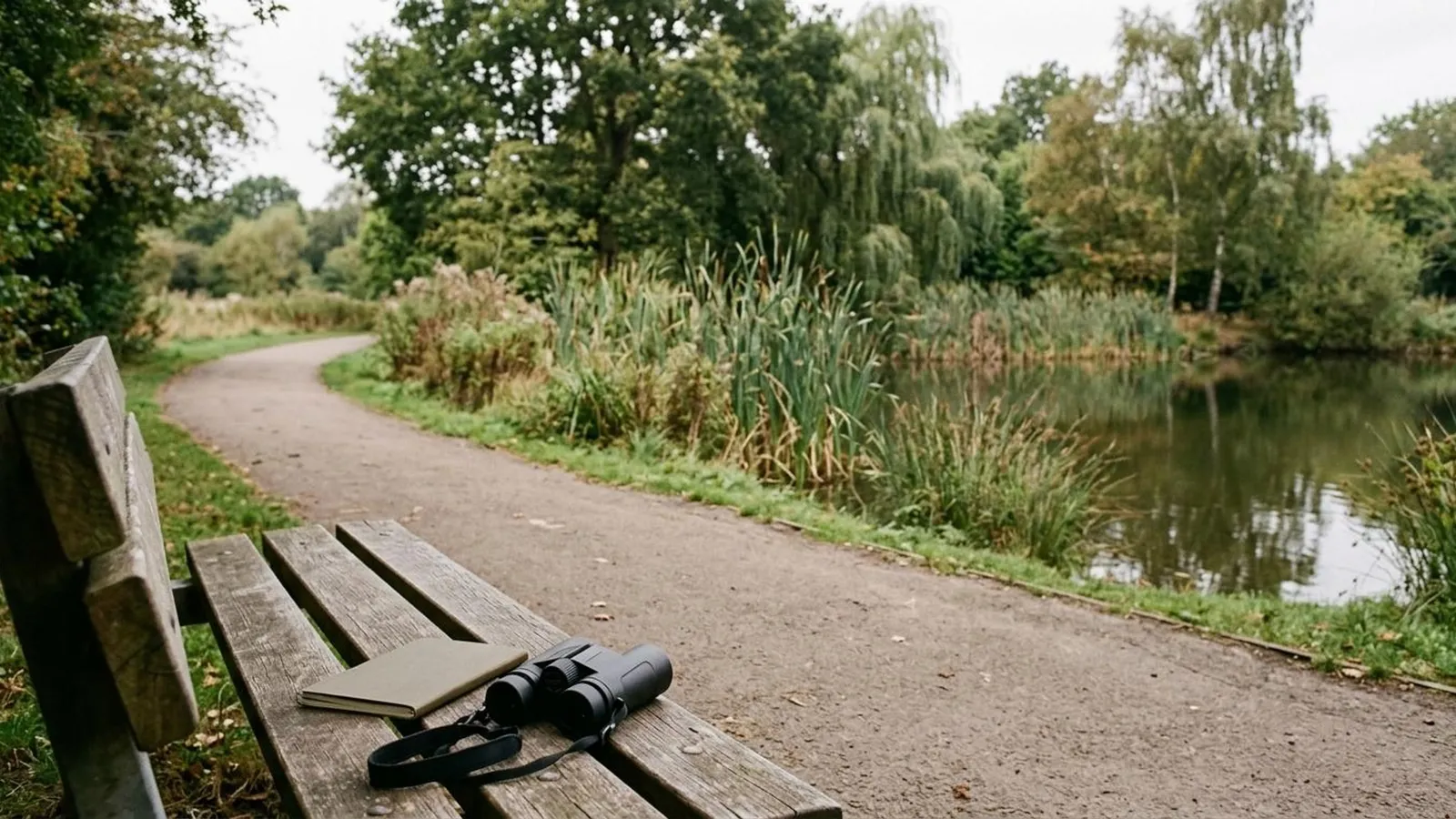
A longer stay gives you something a quick visit often lacks: the chance to notice a place repeatedly. You might see the same patch of water, tree or stretch of shoreline at different times and begin asking better questions.
That can remain a private nature journal. It can also become a small contribution to a citizen-science project, provided you follow the project’s method rather than simply upload a large number of photographs.
Choose a contribution you can make carefully
Start with the project’s actual instructions. What information does it need? What counts as a useful observation? Does it accept contributions from visitors, and do you need to join a particular project or activity?
Pick something that fits the place and your abilities. A modest repeat observation from a permitted route is more useful than an ambitious expedition you cannot complete safely or consistently.
If outdoor observation does not suit the stay, Bucketlist’s Galaxy Zoo guide considers a project you can explore from a screen. You do not have to travel somewhere unusual to make curiosity part of your week.
Record what you observed, not what you hoped to find
Keep a brief note of the date, the place at an appropriate level of precision, what you actually saw and what you are uncertain about. Follow the project’s requirements for photographs or other evidence.
Do not use an automated identification suggestion as a reason to erase uncertainty. If you cannot identify something, say so and use the project’s review process. Nor does a single observation establish a trend in wildlife numbers or climate.
Avoid disturbing an animal, handling an organism or entering restricted land to make a record more impressive. Check local rules and the project’s conduct guidance before contributing.
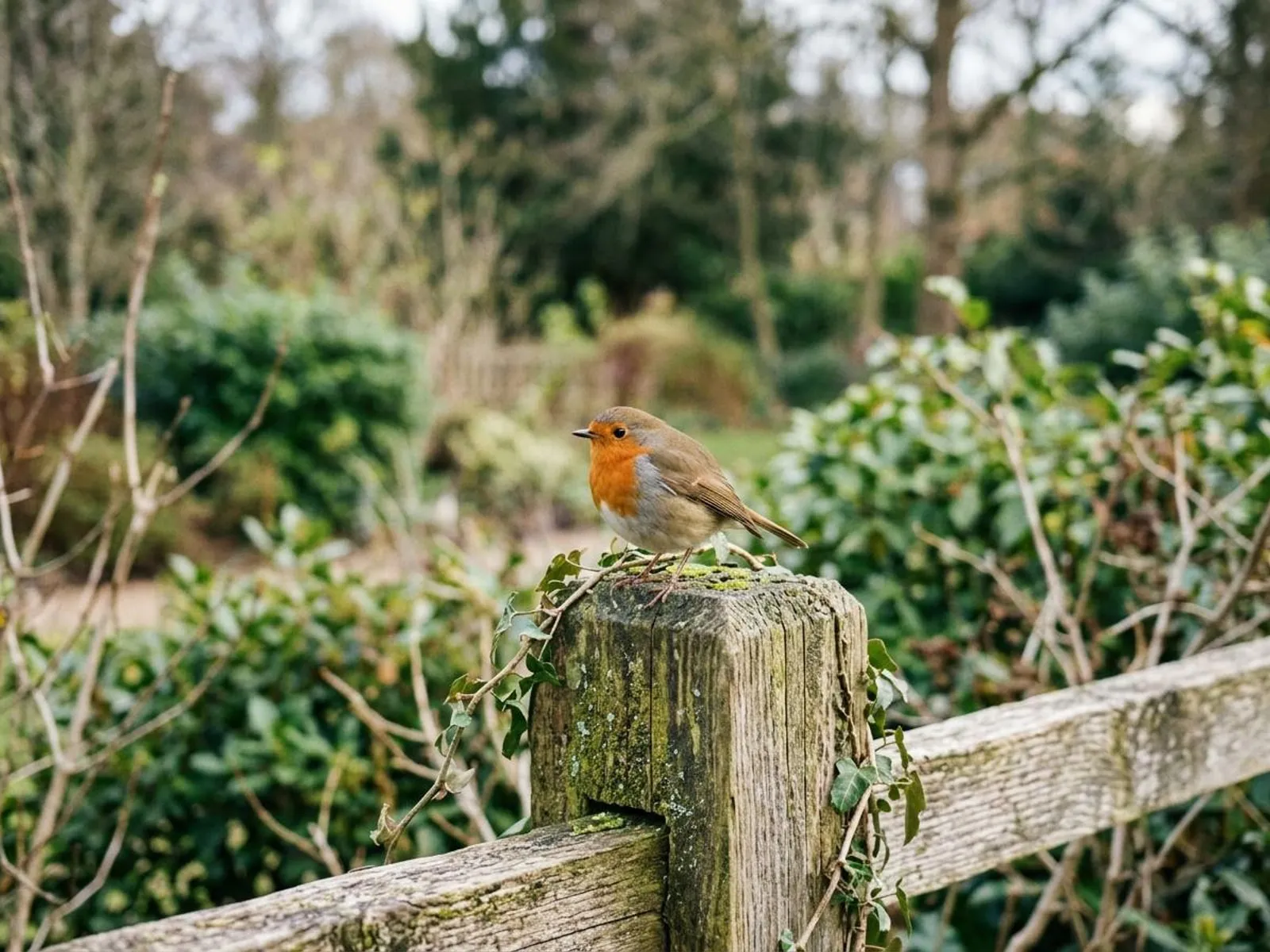
Decide what location information to share
Observation platforms can reveal more about your movements than you intend. iNaturalist, for example, explains different geoprivacy settings and warns that obscured locations can sometimes be inferred from nearby observations or other information. Obscuring is not a promise of anonymity. iNaturalist’s explanation.
Review the setting for each contribution, the information in photographs and the project’s data-sharing arrangements. Do not publish a sensitive wildlife location or your temporary home simply because an upload makes it easy.
If the privacy choice is unclear, keep the observation private until you understand it. Participation is optional; there is no need to trade away information you are uncomfortable sharing.
Make it a small part of ordinary life
Try a short weekly session rather than making the whole stay revolve around recording. Compare what you notice over time, while allowing for weather, visibility and your own changing attention.
RESTED’s worthwhile-project guide helps keep a project proportionate. The result should be a reason to pay attention, not another job you feel guilty about leaving unfinished.
A careful contribution, made on the project’s terms, can be enough. You do not need to turn a month away into a claim to scientific expertise.