Reverse mortgages: how a HECM works and what to check
How a Home Equity Conversion Mortgage works, who can get one, the upfront and ongoing costs, the required counseling, and what happens when the borrower leaves the home.

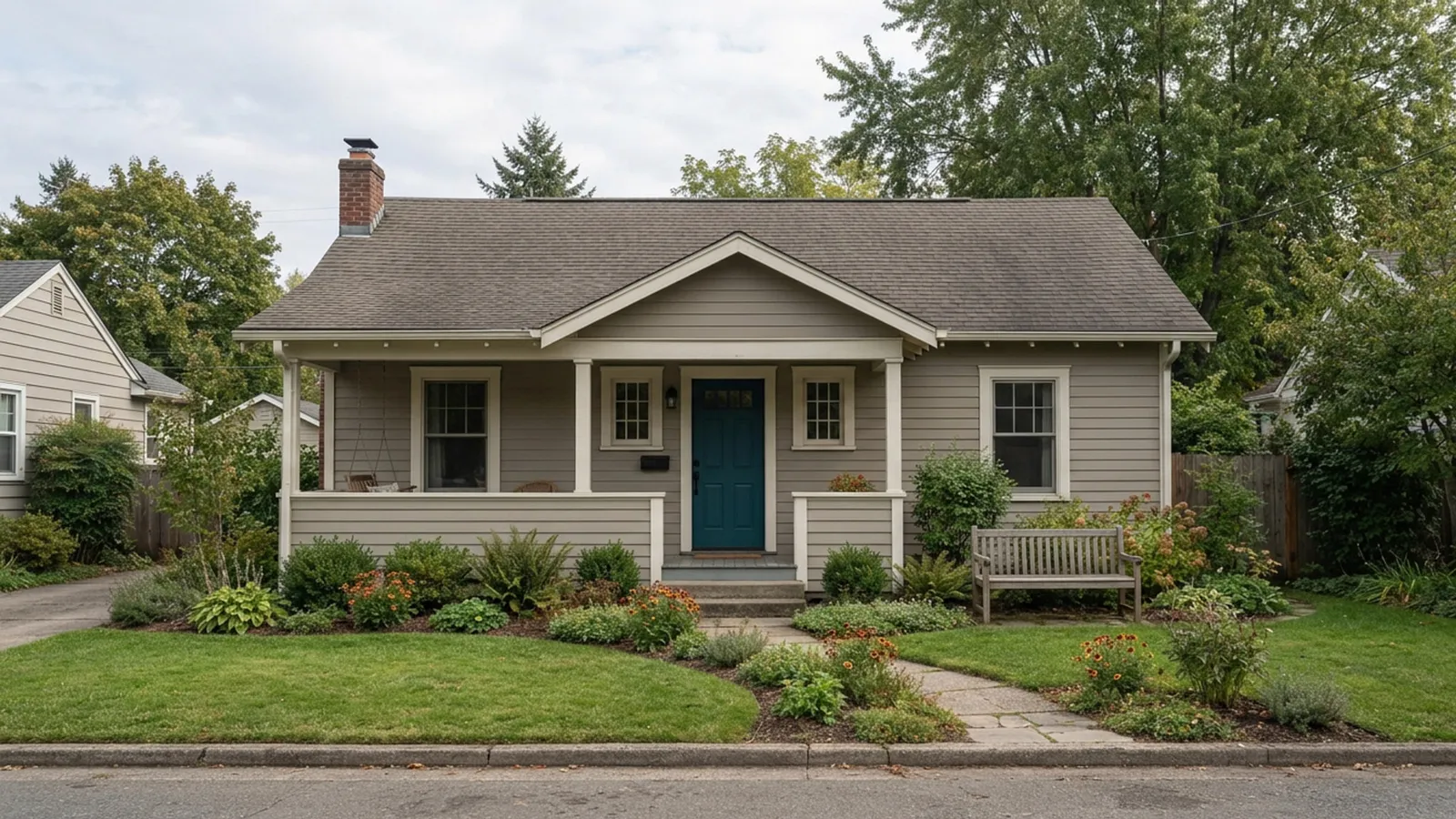
A reverse mortgage reverses the usual direction of a home loan. Instead of making monthly payments to a lender, an older homeowner borrows against the home’s equity and the balance grows over time. That can turn housing wealth into spendable money, but it uses up equity, and the loan has conditions that run for as long as you live in the home.
This guide explains how the most common type, the Home Equity Conversion Mortgage (HECM), works, using the Consumer Financial Protection Bureau’s pages as checked on November 18, 2026. It is general education, not advice on whether a reverse mortgage suits you.
What a HECM is
The CFPB says most reverse mortgages today are Home Equity Conversion Mortgages, which are insured by the Federal Housing Administration (FHA), part of HUD. Some lenders offer proprietary reverse mortgages that are not federally insured and are typically designed for higher-value homes (CFPB; CFPB on HECMs, both checked November 18, 2026).
The CFPB describes a HECM as a special type of home loan only for homeowners who are 62 and older. You keep the title in your name. You make no monthly mortgage payments, but interest and fees are added to the balance each month, so what you owe grows and your equity shrinks. The CFPB’s plain summary is that the loan “is not free money.”
Who can get one
The CFPB lists these requirements for a HECM (CFPB, checked November 18, 2026):
- The borrower must be 62 or older.
- The home must be your principal residence, meaning you live there most of the year.
- You must own the home outright or have a low enough mortgage balance to pay off at closing, using your own funds or reverse mortgage proceeds.
- You cannot owe federal debt, such as federal income taxes or federal student loans, though loan funds may be used to pay it off.
- You must have enough of your own money, or set aside part of the loan at closing, to cover ongoing property charges such as taxes and insurance, plus maintenance and repairs.
- The home must meet required property standards. If it does not, the lender will specify the repairs needed before approval.
- You must complete counseling with a HUD-approved reverse mortgage counseling agency.

The counseling step
Counseling is a requirement, not a courtesy. The CFPB says it must cover your eligibility, the financial implications of the loan and alternatives (CFPB, checked November 18, 2026). You can also talk to a counselor while you are still deciding. To find an agency, the CFPB points to its reverse mortgage counseling agency search or HUD’s line at 800-569-4287.
The CFPB suggests questions to bring: how the loan differs from a traditional mortgage, the upfront and ongoing costs, the effect on a spouse or others in the home, what happens if you sell, die or move to a nursing home, how to take the money (line of credit, monthly payments or lump sum), the effect on an existing mortgage, and your ongoing responsibilities. It also suggests telling the counselor about any recommendations or sales pitches a lender made before you met. Ask the agency whether it charges a fee before you book.
What a HECM costs
The CFPB separates upfront costs from ongoing ones (CFPB, checked November 18, 2026).
Upfront, there is an origination fee of $6,000 or less paid to the lender, closing costs such as appraisal, title search, survey, inspection and recording fees, and an initial mortgage insurance premium paid to the FHA. You can pay these in cash or from the loan proceeds, which leaves less of the loan available to spend.
Ongoing costs are added to the loan balance monthly: interest, servicing fees paid to the lender, and an annual mortgage insurance premium equal to 0.5% of the outstanding mortgage balance. Separately, you still pay homeowners insurance, property taxes and flood insurance if it applies.
An invented example of the annual premium alone: if the outstanding balance were $200,000, 0.5% would be $1,000 for the year, added to the balance. The amount of the initial premium, servicing fees and interest rate types is not given on that page, so get them in writing from lenders and compare offers.
The CFPB’s general guidance is to compare offers from several lenders, weighing fees and interest rates.
When the loan comes due
The loan is repaid when the borrower no longer lives in the home. The CFPB says repayment usually happens by selling the home, and the borrower or heirs are responsible for it (CFPB).
The CFPB’s page on who can live in the home adds that the loan comes due if you die or move out, including a move for medical reasons lasting more than 12 consecutive months. A co-borrower can stay if you die or move out. A spouse who was not a co-borrower can stay without paying the balance if they were married to you when you took the loan and qualify under HUD’s rules, and they must keep living there as their principal residence. Children, other relatives, dependents and spouses who do not qualify must pay off the balance with other funds to keep the home (CFPB, checked November 18, 2026).
So the household question matters as much as the numbers: who lives there, who is on the loan, and what the plan is if health changes.
Questions to settle before comparing offers
A reverse mortgage sits alongside other sources of retirement money rather than replacing the need to plan. It can be worth reading what ordinary life costs after full-time work first, so that any borrowing is tied to a clear picture of spending, and five questions about retirement investing for the wider context.
Things to check include whether you can cover property taxes, insurance and repairs for as long as you expect to stay; how a payout choice fits your needs; what heirs would face; and what alternatives exist. A HUD-approved counselor and, for tax or legal specifics, a qualified professional can address your own situation.
The CFPB also warns about pressure: be wary of contractors who push a reverse mortgage to pay for repairs, and note that the VA does not offer reverse mortgages, so ads implying VA approval or “no-payment” deals for veterans may be scams.
Common questions
Can I cancel after closing? The CFPB says you can cancel most reverse mortgages within three business days of closing, in writing, without penalty, sending the notice by certified mail with a return receipt.
Do I still own my home? Yes. The CFPB says you keep title, and you must keep it as your principal residence, pay property taxes and insurance, and keep it in good condition.
Do I have to make payments? Not monthly mortgage payments, but the balance grows with interest and fees, and the property charges remain yours to pay.
Does a reverse mortgage affect benefits or taxes? The pages above do not address it. Ask a HUD-approved counselor or a qualified tax or benefits professional.
Sources checked November 18, 2026: Consumer Financial Protection Bureau, five Ask CFPB pages on reverse mortgages, HECMs, eligibility, costs, counseling and who can stay in the home. For program details and current limits, see HUD’s HECM page at hud.gov.