After your first longer stay: decide what to repeat and what to change
You are home from a longer stay and someone asks whether you would do it again. The answer may be “yes, but somewhere quieter,” “for less time,” or “with a better kitchen.” Those qualifications can be the most useful part of the trip.

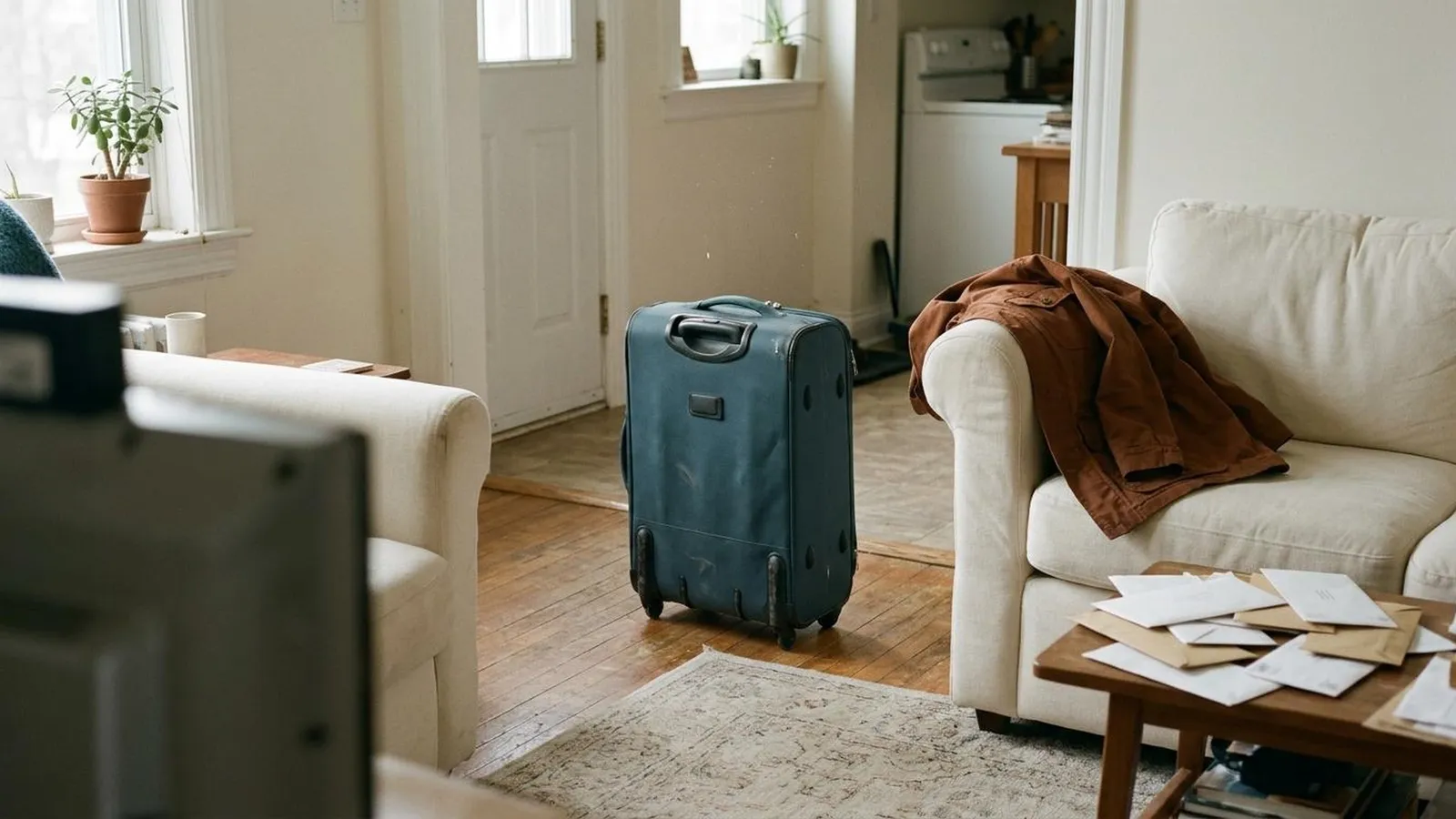
You are home from a longer stay and someone asks whether you would do it again. The answer may be “yes, but somewhere quieter,” “for less time,” or “with a better kitchen.” Those qualifications can be the most useful part of the trip.
Before booking the next one, review the ordinary life you tried. This is not a performance score or a requirement to justify the money spent. It is a way to keep a memorable experience from becoming a plan built on selective memory.
Return to the question you left with
What were you trying to learn? Perhaps you wanted to see whether a month in one place suited you, whether you could live without a car, or how it felt to keep a home base while away.
Write the original question before listing attractions. If the goal was an enjoyable ordinary week, three excellent day trips do not answer everything. Neither does one frustrating afternoon cancel an otherwise workable stay.
If you had no explicit question, choose one now that matches the decision ahead. Avoid rewriting the purpose merely to make the trip look successful.
Describe an ordinary Tuesday
Pick a reasonably typical day. Where did you buy food? What did you cook? How far did you walk, and did the route suit you? Where did you sit comfortably? Who did you speak to? What did you do when the weather changed?
Distinguish what happened from what you think it means. “The apartment faced a noisy road” is an observation. “This city is unsuitable for slow travel” is a much larger conclusion that your stay may not support.
Likewise, record the season, neighbourhood and accommodation. You can have a useful account of one stay without claiming to have evaluated an entire destination.
Compare the budget with the spending
Use the categories in the month-away budget. Compare the planned and actual amounts, including home costs that continued. Keep currencies, conversion assumptions and the dates covered clear in your private notes.
Imagine you spent more on restaurant meals but less on local transport. Ask why. Was the kitchen unpleasant to use? Did walking work better than expected? The answer may influence accommodation choice more than a single total does.
Separate one-off purchases from costs likely to recur, but do not erase an expense simply because you would rather not repeat it. Record the actual total first, then create a separate future estimate with the change explained.
Sort the lessons into three piles
Use “repeat,” “change” and “not sure yet.” Keep them specific enough to affect a future booking.
| Observation from a hypothetical stay | Possible next decision |
|---|---|
| Shopping nearby made ordinary meals easy | Check the actual walking route to shops before booking |
| Moving accommodation interrupted two weekends | Consider one base or fewer moves |
| A regular activity was enjoyable | Research an accessible recurring activity in the next place |
| A busy neighbourhood felt tiring | Compare quieter locations without assuming every outer district suits you |
These are examples, not reports from Greg or conclusions about a named place. Your list may be different. Something can be worth repeating even if it did not save money.
Give everyone their own review
If you travelled with someone else, each person should write a short account before comparing. One may have valued the quiet mornings while another missed familiar company. A single household verdict can hide different experiences.
Ask what each person would need to want another stay. A shorter trip, a different season or separate activities may deserve consideration. So may choosing not to repeat it. The ordinary-week conversation offers a way to discuss those differences without treating one person’s preference as the default.
Do not turn a review into pressure to book again while enthusiasm is high. Some lessons become clearer after returning to normal responsibilities.
Change one important assumption
Choose a next experiment you can explain. For example: “We liked staying longer, but want to test a quieter apartment in one neighbourhood before considering a longer absence.” Then identify what must be researched and what remains unproven.
Use the base-selection guide to turn the lesson into booking questions. Use the annual-rhythm guide to see whether another stay fits the rest of the year.
You do not need a verdict about becoming a permanent traveller. A useful first stay can reveal that a few weeks away is enough, that home matters more than you expected, or that you want another carefully chosen trial. Keep the details that help you make that next decision.