Choose a slow-travel base: what matters for a month?
Compare longer-stay locations by the ordinary days you want, then check the neighborhood, accommodation, transport and practical requirements.


A city can look wonderful in a video and still be the wrong place for your month away. The featured apartment might be outside your budget, the street might be noisy, or the activity that interests you might finish before you arrive.
Instead of asking for the best slow-travel destination, begin with a smaller question: where could I have the ordinary days I want, during the time I can actually go?
That gives you something to compare without pretending one place suits everyone.
Describe an ordinary day first
Imagine a day with no major attraction booked. What would you like to do between breakfast and bedtime?
You might want to walk to shops, sit somewhere with a book, work on a project, attend a class or spend time near family. You might prefer a quiet area with occasional trips into a city, or a central location where you can step outside and find something happening.
Write down three things that would make the stay worthwhile and three requirements you cannot easily compromise on. Keep preferences separate from requirements. A sea view may be appealing; reliable step-free access may be essential.
If two people are traveling together, make separate lists before comparing them. “Somewhere warm and interesting” may conceal quite different expectations about transport, noise, activities and time together.
Compare the place and the neighborhood separately
“We liked the city” does not tell you much about the particular area you could afford to stay in.
Look at where you would shop, how you would reach the activities you care about and what returning in the evening would involve. Check the actual route, not just a straight-line distance or an attractive photograph.
For a person who wants to avoid driving, a reasonably priced property with awkward transport could be a poor fit. Someone comfortable hiring a car may make a different choice, after including parking and the complete rental cost.
Treat broad descriptions such as walkable, quiet or central as starting points for questions. Ask what they mean for the streets and times you would use.
Use requirements before scores
A simple comparison can help, but adding up points can hide a problem. An appealing view does not compensate for accommodation you cannot comfortably access.
Start by checking the essentials. Then compare the remaining options with a few notes:
| Area | Question to answer | Useful evidence |
|---|---|---|
| Everyday life | Could I shop, eat and spend an unplanned day comfortably? | Specific nearby facilities and routes |
| Accommodation | Does it support how I would live for a month? | Answers about kitchen, seating, laundry, noise and access |
| Transport | How would I make routine and occasional trips? | Current routes, timetables or full rental quotes |
| Season | What is available during my actual travel window? | Dated opening schedules, conditions and accommodation quotes |
| Connection | What realistic contact or activities could I have? | A group, class, event or person confirmed available |
| Practical needs | Can the stay meet my coverage, access and permission requirements? | Relevant provider and official guidance |
| Complete cost | Does the proposed stay fit the household budget? | Dated quotes plus continuing home costs |
Leave unknowns visible. A blank answer is more useful than a confident score based on a short promotional video.
Work through two different fits
Imagine two unnamed neighborhoods. These are examples, not descriptions of real destinations.
One has a more expensive apartment within an easy route of the shops and a class you want to attend. The other has a larger, cheaper property but would require additional transport for most of your planned activities.
Someone planning to stay in, read and make occasional outings may prefer the second. Someone who wants daily independence without a car may find the first better suited, even after giving up some space.
Now add timing. What if the class is not running during your stay? What if the cheaper property’s access is unsuitable? The comparison changes because your evidence changed, not because the city suddenly became a good or bad destination.
Ask accommodation questions you can use
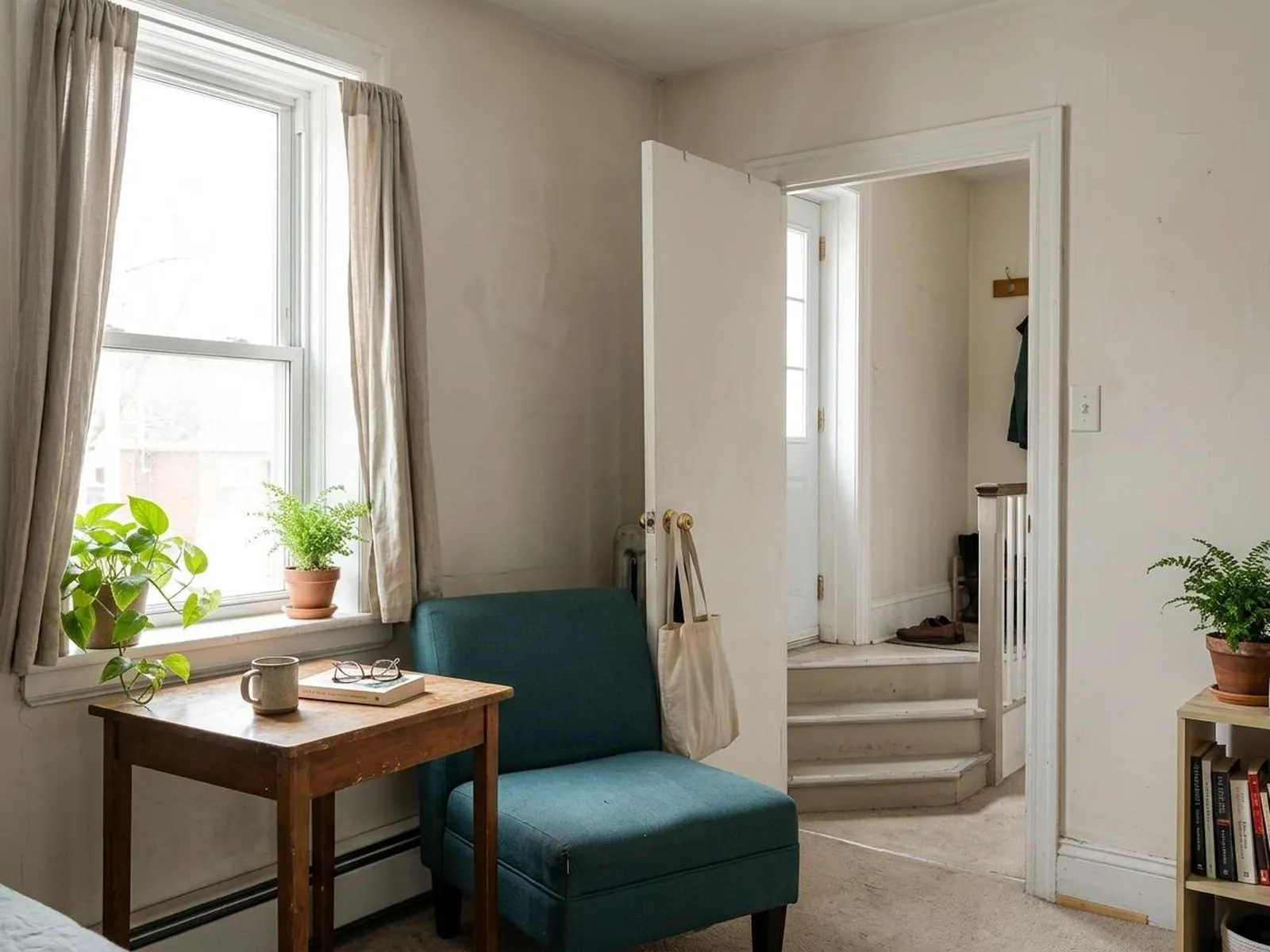
For a longer stay, clarify what the listing leaves uncertain. Is the washing machine private or shared? Does the kitchen include the equipment you would use? Where would you sit during an afternoon indoors? What is the access from the street to the room?
If internet access matters, ask for information relevant to your use rather than accepting “Wi-Fi included” as the complete answer. Check the current price, fees and cancellation terms for your dates and occupants.
Keep a record of the answers. If something is essential, confirm how it is reflected in the booking terms rather than relying only on a conversation you cannot recover later.
Check the practical limits before choosing a winner
Your citizenship, dates and intended activities can affect what you need to arrange. Use current official entry information and appropriate professional advice for questions the general guidance cannot settle. A long-stay listing does not establish that your proposed stay or activity is permitted.
The longer-stay checklist covers documents, healthcare, home responsibilities and account access. Work through the items that could rule out an option before paying for it.
Then compare the whole month’s cost. Keep home costs, the journey and refundable deposits visible. A cheap property is only one part of that calculation.
Choose a first test you can learn from
You do not have to select your ideal future home. You are choosing a stay with enough evidence to make a reasonable decision and enough flexibility for your circumstances.
Before leaving, write down what you hope to learn. Afterward, record the neighborhood and approximate season, what worked in ordinary life and what you would change. Distinguish what you observed from what you assumed.
That creates something more useful than a universal recommendation: an account of whether a particular place, property and time suited the life you wanted to try.