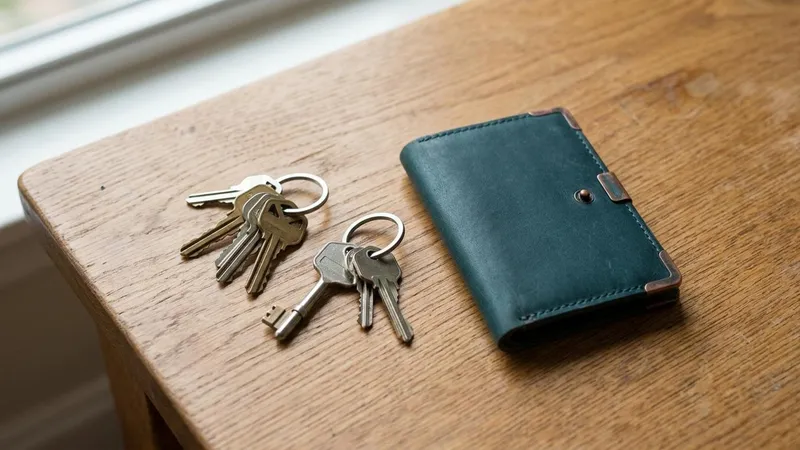
Someone has offered to keep an eye on the house while you are away. Before treating that as a completed arrangement, agree what the task includes, how they will gain access and what should happen when something needs attention.
A longer stay is easier to commit to when you understand how you could leave it. An early return might follow a family need, an unsuitable property, a disruption or a simple decision that the experiment is not working.
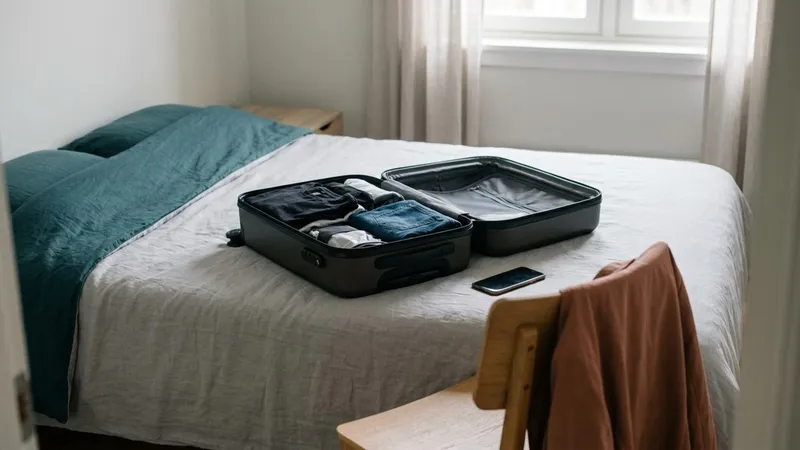
Packing for a month can feel like preparing for every possible version of yourself. You might want clothes for walking, meals out, exercise, cooler evenings and an event that is not actually planned.
A policy labelled annual or worldwide can sound like the answer to a year with several longer trips. Those words do not tell you whether your actual journey, activities and circumstances meet its conditions.
Spending part of the year near family and part somewhere else can sound like a simple calendar decision. The practical questions do not all follow the same calendar, and permission to visit a country does not answer every question about living there.
Build an annual travel pattern around relationships, responsibilities, complete costs and room to change plans, rather than filling every month with a booking.
Compare keeping somewhere to return to with moving between longer stays, including costs, responsibilities, relationships and changing your mind.
Updated
Spending long periods away, or living in two places, takes practical arrangements: a home base, mail, phone and banking access, connectivity, insurance, residency and visa research, and an annual rhythm of returns. This hub gathers those questions in one place.
PlacesHow destination records will separate public research from members' reports.
A departure and return checklist to start from
These are questions to research, not rules. Visa, residency, tax and insurance rules differ by country and change often, so check official sources for each place and your own situation.
Home base: what continues while you’re away (housing, utilities, insurance, upkeep), and who can check on it?
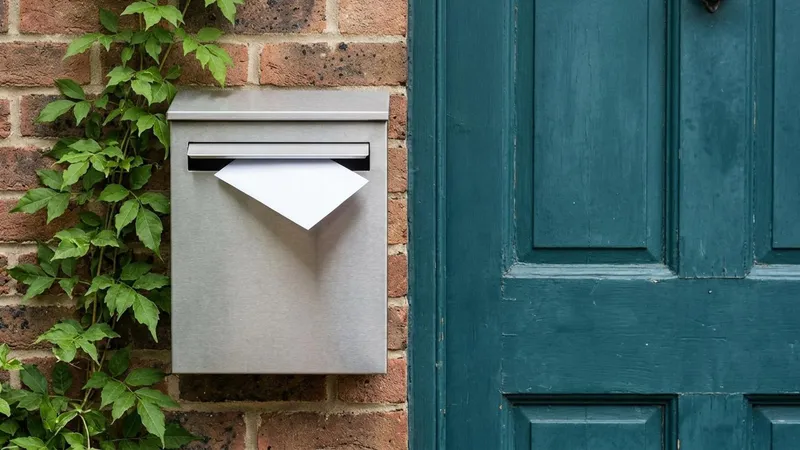
Mail and phone: how will you receive important post and keep access to the phone number your bank uses?
Money access: which cards and accounts work abroad, and what are the fees?
Health and insurance: what does your coverage do outside your home country, and what would you buy separately?
Stay rules: how long can you stay, and what does the official source for that country say?
Returning: which appointments, renewals and family plans set your annual rhythm?
RESTED doesn’t offer mail, phone or other services. Any guide to existing services will say so plainly.