Make a family visit fit the life you are trying to build
Agree the shape of a family visit before a longer stay turns into an undefined obligation.


Visiting family can be one of the best reasons to travel more slowly. It can also become difficult when “we will be nearby for a month” means something different to everyone involved.
The useful conversation happens before the flights are booked. You are not trying to make family life formal. You are trying to give people enough information to enjoy the time together.
Separate staying nearby from staying together
Consider a fictional couple spending four weeks near an adult child. They picture two shared dinners each week, a few outings and plenty of independent time. Their child imagines daily visits and regular help with school pickup. Nobody has behaved badly, but the two versions of the month will not fit together automatically.
Make three separate decisions: where you sleep, how often you expect to meet, and whether any practical help is part of the arrangement. Do not let a vague agreement about one become an assumption about all three.
A separate place to stay may offer breathing room. Staying in the same home may be exactly what everyone wants. Compare the actual arrangements, including cost and privacy, rather than treating either choice as the morally better one.
Describe an ordinary week
Use an ordinary Tuesday to test the plan. Who is working? Who has transport? When would you meet? Does anyone expect the visitor to be available throughout the day?
Agree a few anchors, then leave room around them. A shared meal and one weekend outing might be enough certainty for one family. Another may need a clear agreement about recurring childcare or support. If the visit involves care needs, it deserves a more specific discussion than a holiday invitation.
Ask directly: “What would make this visit helpful, and what would make it harder?” Give people permission to say that a shorter stay, different dates or a nearby base would work better.
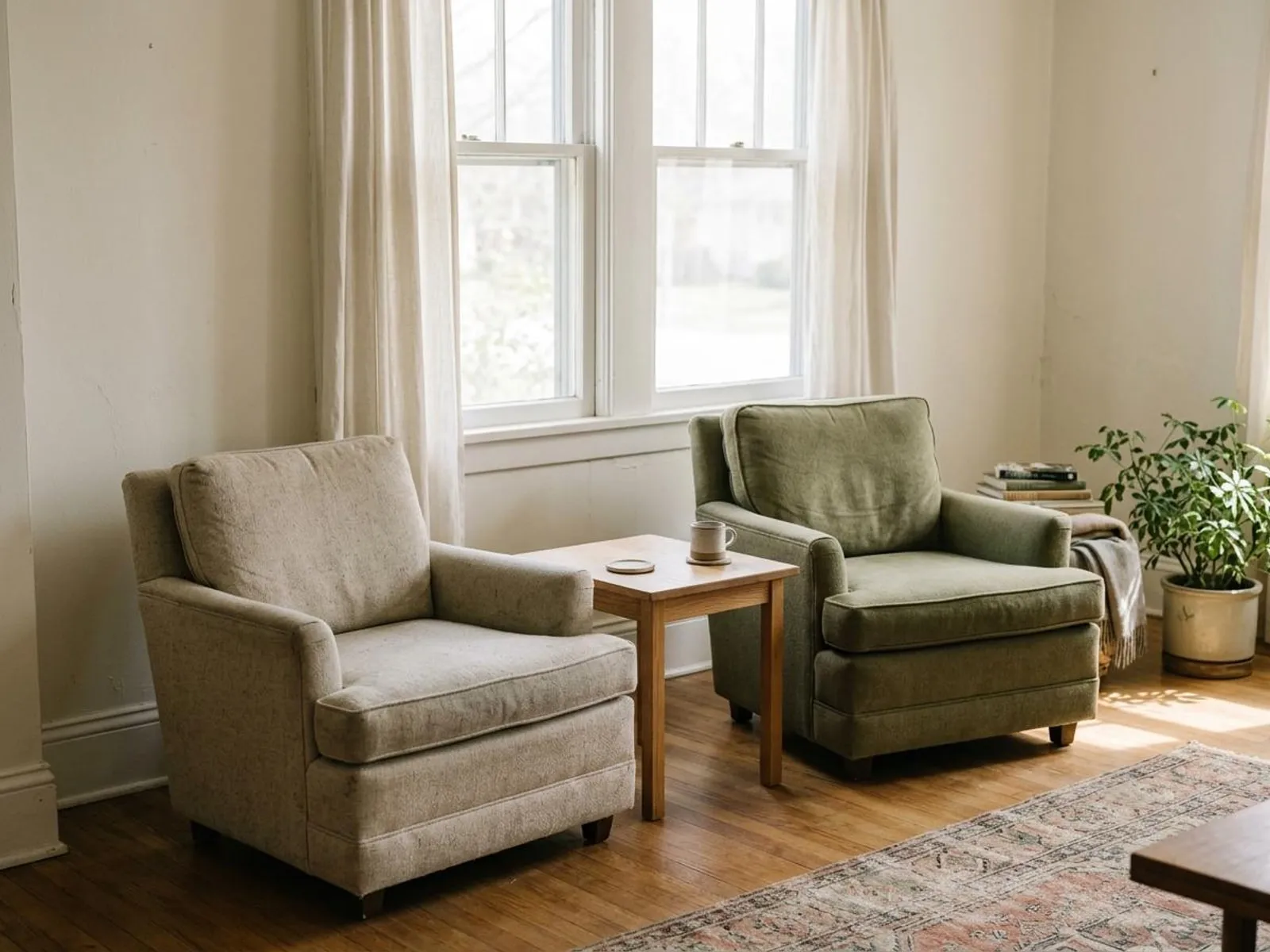
Make changes easier to discuss
Choose a point early in the stay to ask how the arrangement is working. That is easier than waiting until someone is exhausted or resentful.
A useful sentence is: “We would love more time together, but we also want this to fit your normal week.” Then be specific about your own needs. Wanting a quiet afternoon or a day alone does not require a dramatic explanation.
If you are travelling with a partner, have your own conversation first. Do not volunteer the other person for commitments they have not agreed to. RESTED’s guide to different retirement plans uses the same ordinary-week approach for a wider decision.
Keep an independent version of the trip
Know how you would spend a day if family plans changed. Have activities you can enjoy without being hosted, and transport arrangements that do not depend on someone always collecting you.
This is not a reason to arrive detached from family life. It makes your presence less demanding. For the surrounding stay, use choosing a slow-travel base to check whether the location works for ordinary days as well as visits.
A successful month need not contain constant togetherness. It should leave people glad you came, and willing to talk honestly about the next visit.