Home exchange for a longer stay: compare the commitment as well as the cost
A concrete longer-stay decision covers hosting commitments, complete costs, home permissions and disruption plans.

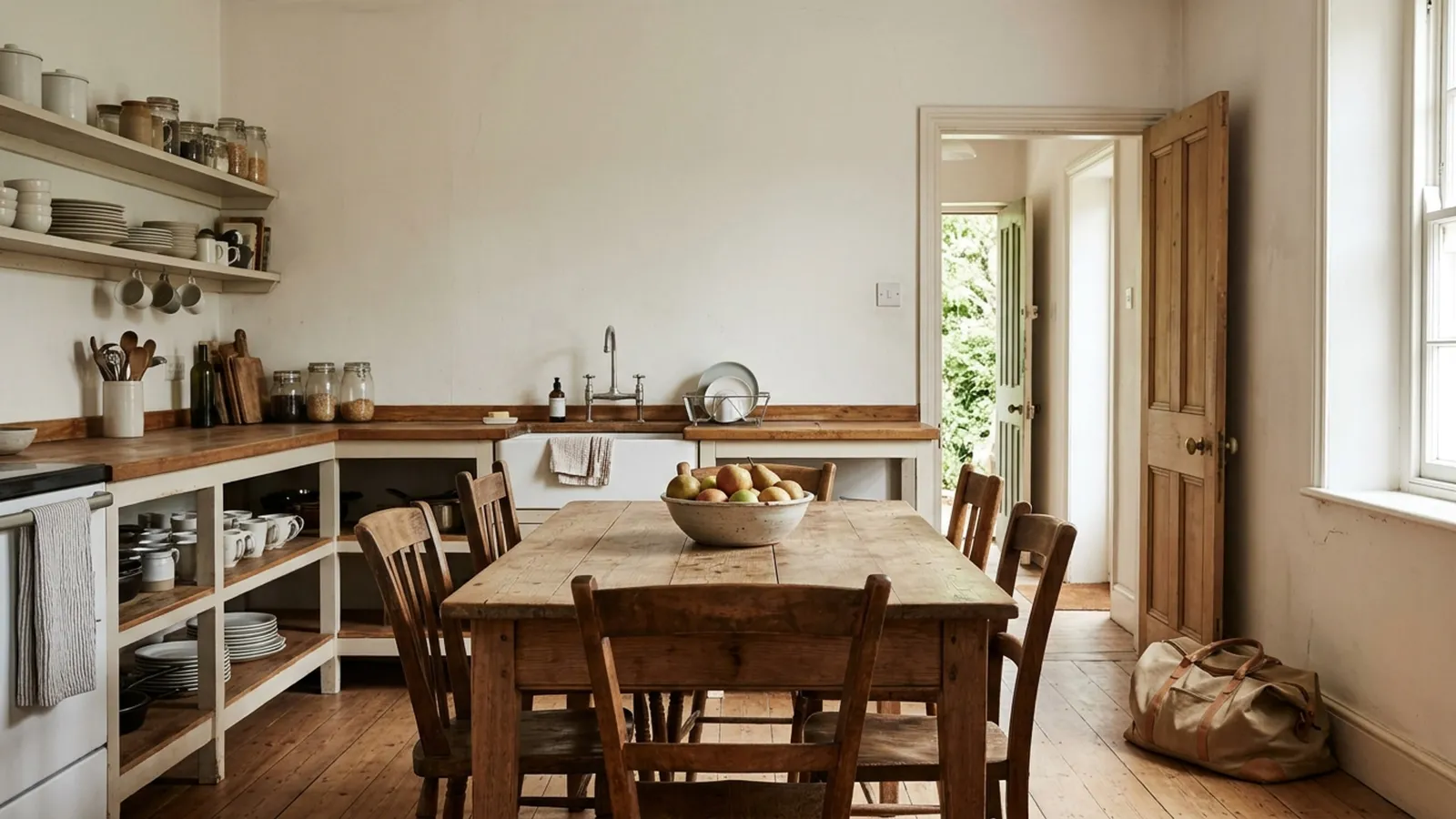
A month in someone else’s home can offer the ordinary comforts that a short hotel stay lacks: a kitchen, room to settle and a neighborhood routine. Home exchange can make that possible, but it asks you to make decisions about your own home as well as your destination.
Treat it as a different accommodation arrangement, not free housing. Compare the preparation, responsibilities and cancellation exposure alongside the amount you might avoid paying for a rental.
Decide which exchange you could actually offer
HomeExchange describes reciprocal exchanges, which can happen at the same time or on different dates, and non-reciprocal exchanges using GuestPoints. In the latter, your host does not need to stay in your home in return. Exchange types
That distinction changes the planning problem. A simultaneous swap needs compatible dates and homes. A non-simultaneous arrangement can create a future hosting commitment. A points-based arrangement needs an available home, a willing host and the applicable balance and membership conditions.
Start with your own boundaries. Could you host strangers in your primary home? Are there rooms or belongings you would secure? Would a shared building, tenancy or local rule prevent the arrangement? A platform listing is not proof of permission from an insurer, landlord or association.
Compare one ordinary month
Use a hypothetical accommodation budget of $2,400 for a month-long rental. That is the starting alternative, not an automatic exchange saving. Against it, list the current membership cost, any agreed cleaning or other charges, preparation, travel changes and a reserve for disruption.
If you would spend $300 preparing the home and $150 on agreed services, the apparent saving is already smaller before membership and other costs. Those figures are invented; use your real numbers. Do not give your own time a fictitious market price unless that helps you decide, but recognize a week of stressful preparation as a cost to you.
Keep ordinary bills visible. Hosting does not make your mortgage, insurance or maintenance disappear. The useful question is whether the arrangement makes this trip affordable and comfortable without creating an unacceptable obligation at home.
Write down what living there means
Agree on who is staying, dates, arrival, keys, beds, stairs, heating or cooling, laundry and internet needs. Ask about pets and care responsibilities. A photograph of a charming room cannot establish that it works for daily life.
For a longer stay, check the place you would sit in bad weather and the practical route to groceries or transport. If you require step-free access, describe the requirement precisely instead of asking whether the home is generally accessible.
Create a short home guide for your guests with emergency contacts, essential instructions and the agreed boundaries. Share sensitive access information only through the appropriate private channel, not in a publicly visible listing.

Understand the protection before depending on it
HomeExchange’s help page describes guarantees for finalized exchanges carried out with valid membership, with conditions and amounts depending on account country. That summary should lead you to the applicable full terms; it should not replace them. Guarantee summary
Ask your home insurer directly about the proposed activity and keep the answer. Check whether a platform guarantee is contractual protection, insurance or another arrangement, and what deductibles, exclusions and reporting steps apply. Do not assume it substitutes for your normal cover or supplies travel medical protection.
Keep enough accessible funds to manage a disrupted arrival. A promise to help find accommodation is not the same thing as a suitable replacement being waiting at midnight. Know what you would do while a claim or alternative is arranged.
Start smaller if the commitment feels large
A first exchange need not be a month overseas. A shorter, manageable arrangement can help you learn what preparation and communication require. That is a suggestion for reducing complexity, not a guarantee against problems.
If you dislike hosting or cannot obtain the permissions you need, choose another accommodation model. Home exchange can support slow travel when both sides of the arrangement fit. The goal remains a settled, enjoyable stay, not winning the lowest nightly price at any cost.
Sources
HomeExchange reciprocal and non-reciprocal exchanges and membership guarantees summary, checked 16 November 2026. Contract, insurance and property permissions must be read for the actual arrangement.
Continue planning
Keep a home base or travel continuously? Compare the life, not just the rent. First decide what role your home base will play while you travel, then consider whether hosting fits that plan.
Choose a place to live for a month, not just a room to sleep in. Use the month-long accommodation questions to test the actual daily fit of an exchange home.
Spend a week noticing one neighborhood. Give the stay a modest purpose, such as spending a week noticing one neighborhood rather than filling every day with trips.