Keep a home base or travel continuously? Compare the life, not just the rent
Compare keeping somewhere to return to with moving between longer stays, including costs, responsibilities, relationships and changing your mind.

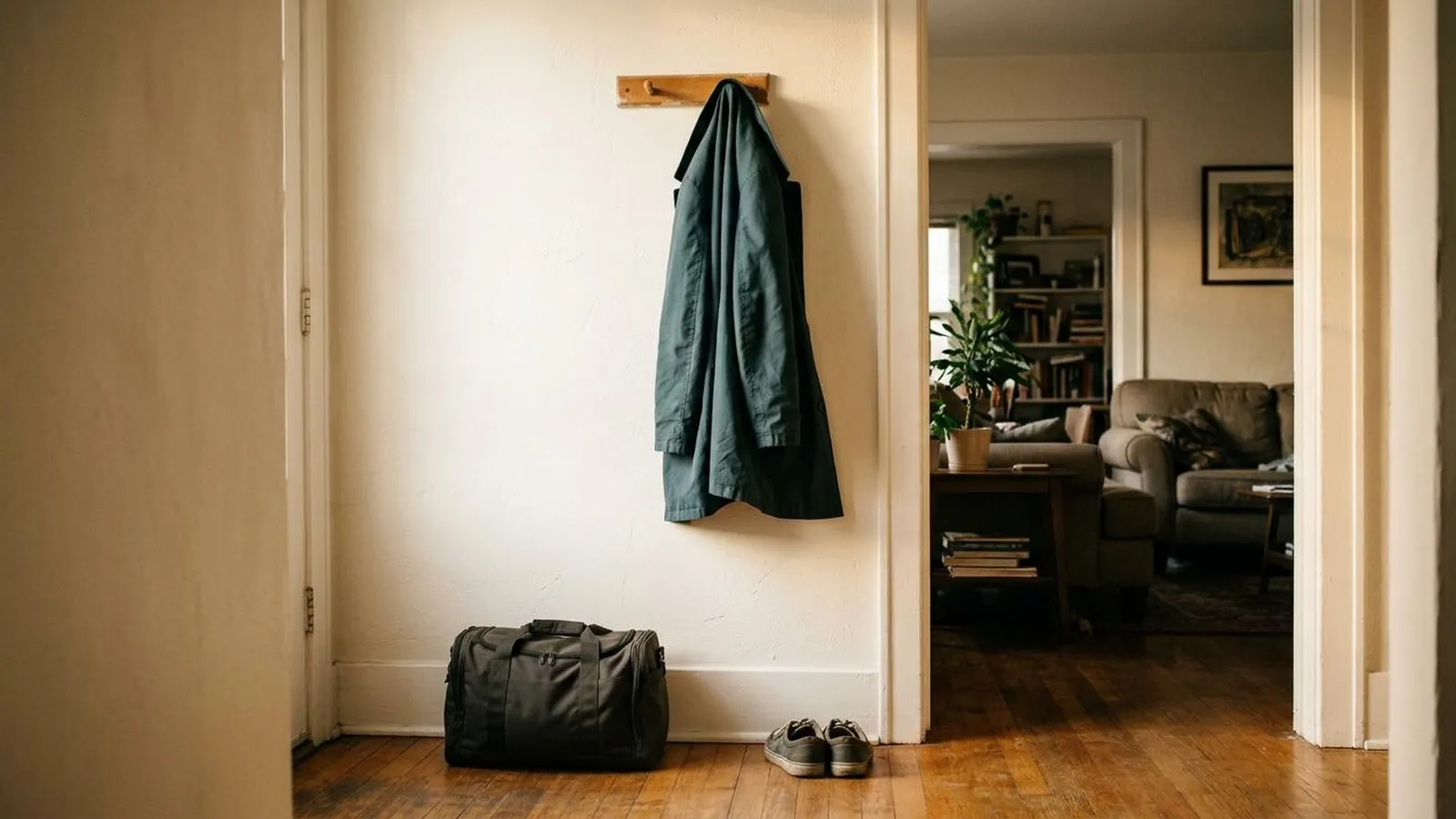
Keeping a home while traveling can feel expensive. Giving it up can feel like freedom—until you ask where you would go if you wanted to stop moving for a while.
Neither arrangement is automatically simpler or cheaper. They organize your money, responsibilities and everyday life differently.
Before comparing the rent on two properties, ask what you want a home base to do for you. Is it somewhere near people you love, a place for your belongings, a familiar routine or simply an option you are not ready to give up?
Those functions matter when you compare the alternatives.
Start with the pattern of life you want
“Keep a home base” could mean a year-round home with occasional trips, several months away at a time or a smaller place you return to between stays.
“Travel continuously” could mean moving every few weeks or taking a series of much longer stays. It might include planned returns to a familiar region without a property of your own there.
Write down the actual pattern you are considering. How often would you move? How long would you stay? Who or what would bring you back? How would a companion’s preferences fit?
You cannot price an undefined lifestyle very well. A first sketch gives you something to investigate.
Compare costs over a year
The rent or housing payment is an important line. It is not the only one that changes.
With a retained home, work through the costs you keep, what can genuinely be reduced and any arrangements needed while away. With continuous travel, include accommodation between major stays, storage, repeated journeys, transport, insurance and the practical cost of returns.
Avoid adding imagined rental income as though it is certain. If letting a property is part of the plan, research whether it is allowed and what management, insurance, tax, vacancy and maintenance questions you need to resolve. Compare a defensible net estimate with a version in which the expected income is delayed or absent.
Use the same period and household in both budgets. One version should not include all ordinary living costs while the other includes accommodation alone.
The month-away budget is a useful starting structure. Extend it across the year and make the periods at home, away and in transit explicit.
Think through two ordinary scenarios
Consider a household that wants to spend two months away, then return for family commitments. Keeping a base may let that household come back to familiar arrangements without finding short-term accommodation each time. It also means paying for something they are not always using.
Now consider a household that wants a sequence of longer stays and has fewer commitments in one location. Not retaining a property might fit that pattern, but they would still need to arrange the next stay, handle belongings and have a realistic way to stop traveling when they choose.
These are planning examples, not claims about which household will spend less. The answer depends on their actual costs, responsibilities and preferences.
Compare what needs managing
| Question | With a retained home | With continuous travel |
|---|---|---|
| Where do we return? | The base may provide an answer, subject to its availability | A return stay needs arranging and funding |
| What happens to belongings? | Space remains, but property responsibilities continue | Storage, transport or reducing belongings needs a plan |
| Who notices problems? | Agree property checks and appropriate help | Agree how mail, accounts and responsibilities are handled |
| How do we see important people? | Returns can be built around the base | Plan where and when visits would happen |
| What if we want to change course? | Check the practical and financial consequences | Check the cost and availability of settling somewhere again |
Both patterns still need healthcare, insurance, secure account access and appropriate permission for the places and activities involved. Neither is a shortcut around tax, residency or immigration questions. Use qualified advice and official sources for your particular circumstances before relying on an arrangement.
Give relationships a place in the decision
A familiar address may matter because of the people around it. If you value regular contact with family or friends, work out how the proposed travel pattern would support that contact.
Do not assume everyone will visit you abroad, or that they will be free whenever you return. Ask about the practical possibilities. If you travel with someone, discuss what each of you would miss and how much moving you would enjoy.
Keeping a base is not a lack of ambition. Wanting fewer possessions is not a commitment to enjoy moving indefinitely. You can choose the arrangement that suits your present life and revisit it later.
Plan a way to pause
Imagine wanting to stop traveling sooner than expected. You might simply be tired of moving, have a family reason to return or need to deal with an unforeseen problem.
Where would you stay, what would it cost, and what would need arranging? How much of the plan depends on another person being able to host you? Has that person actually agreed?
Work through the questions before treating a return as easy. A sensible fallback does not have to be a second permanent home, but it does need more detail than “we’ll work something out.”

Test the parts you can test first
A longer stay while retaining your current base can help you learn what you use, miss and enjoy. It will not prove what continuous travel without that base would feel like, and paying overlapping costs may make the test unsuitable for some households.
Another small test might be reducing what you take on a trip, spending longer in one place or building a realistic annual calendar before changing a property arrangement.
Use the longer-stay checklist to identify the practical questions, and the base-selection guide to compare the places you might stay.
Choose the pattern you can explain and support. You do not have to settle the rest of your life before learning what one different season could be like.