Keep a travel journal you will actually use next time
A small private longer-stay journal combines practical observations, contextual costs and preserved memories without becoming another job.

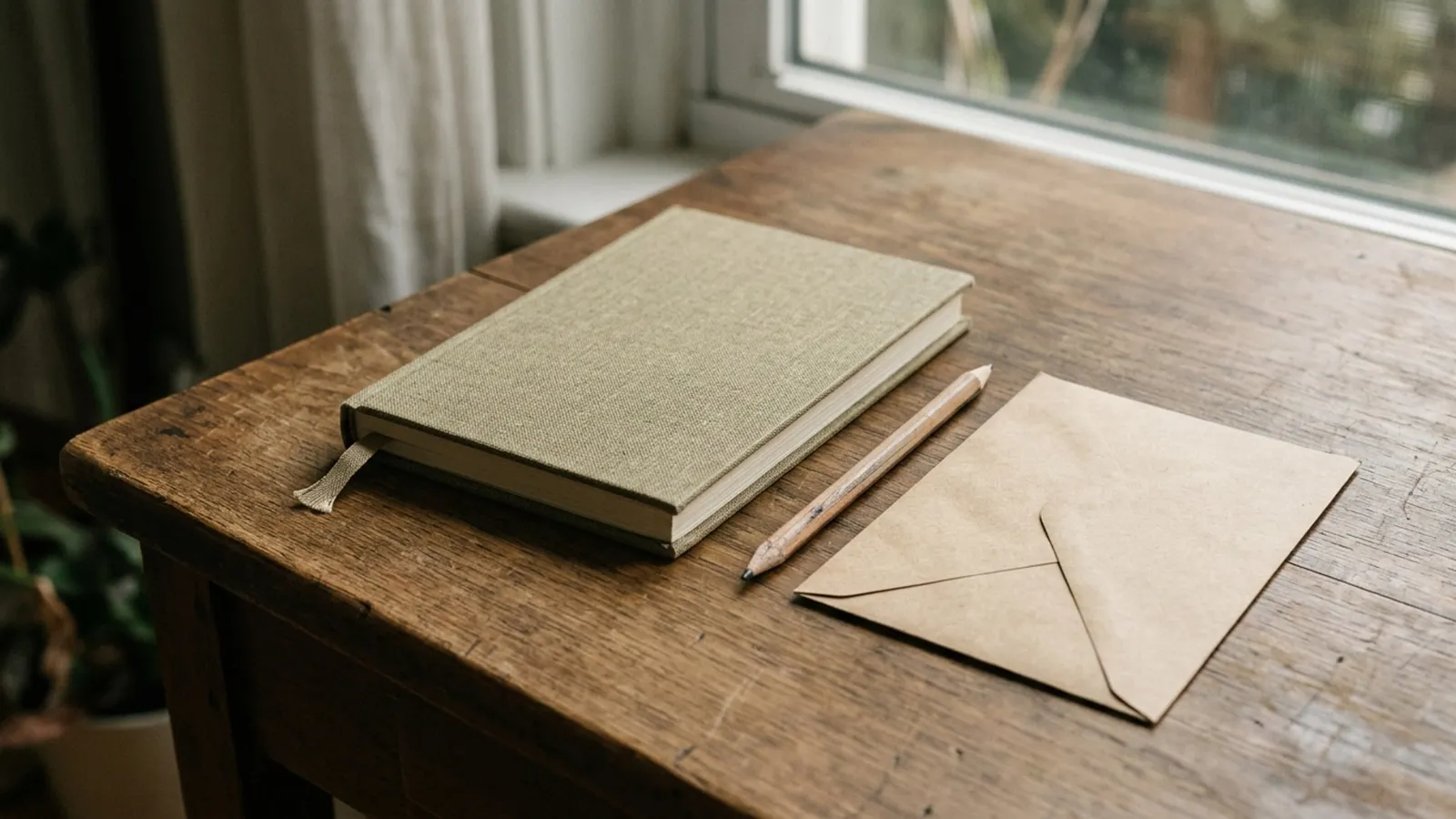
A month away can leave hundreds of photographs and surprisingly little useful memory of how daily life worked. You may remember the view and forget whether the apartment was quiet, which bus stop avoided a steep climb or what you wished you had packed.
Keep a small record for the next version of the trip. It can hold practical observations and memorable moments together without turning every evening into an administrative task.
Choose three things to notice
For a first attempt, use three prompts: what worked, what you would change, and one thing you want to remember. They are suggestions, not a requirement to document every day.
A useful practical entry might say, “The grocery trip was easy before the afternoon heat; next time choose accommodation on this side of the hill.” A memory entry might describe a conversation or something you learned. Neither needs the polished voice of a published travel article.
Separate observation from explanation. “The room was noisy on Friday” is something you noticed. “This neighborhood is always noisy” is a much larger claim. Keep the date and circumstances so a single experience does not become a false general rule in your own planning.
Link a few photographs to the notes
Choose images that help you remember something specific: the kitchen workspace, the approach from the station or a place you enjoyed returning to. Keep the original files rather than relying only on compressed copies shared in messages.
The Library of Congress recommends identifying important digital photographs, organizing them descriptively and keeping copies in different places. A small, well-described selection can be easier to preserve and use than an unexplained folder containing everything. Personal photo archiving
Do not make a promise to label thousands of images while traveling. Start with the handful that explain the stay. Add a short note identifying what the image shows and why you kept it.
Record the cost with enough context
A total without its circumstances can mislead your future self. Note the stay length, party size, accommodation type and major included items. Keep unusual expenses separate from what you would expect every month.
For example, a month including a one-off family celebration is not automatically your ordinary monthly travel budget. A free stay with friends may also include commitments that would not apply to a paid apartment. Describe the arrangement before treating the number as reusable evidence.
You do not need to copy every receipt into the journal. Keep necessary financial records securely elsewhere and summarize the decision-relevant totals. The journal should help explain the budget, not become the only place you can prove a payment.
Keep private logistics separate from shareable memories
Avoid putting passport copies, booking references, access codes or live absence dates into a document you might later share. A room photograph can also reveal personal papers or someone else’s face; inspect it before posting publicly.
Maintain a practical private note for essential arrangements and a separate selection if you want to share the story with friends. You can write honestly about the experience without publishing details that let a stranger identify your current room or access an account.
Ask before sharing another person’s identifiable story. Your memory of a conversation can be valuable privately without becoming material for a public post. A useful journal does not need an audience.
Review it once before planning again
At the end of the stay, choose three decisions for a future version. Perhaps you would repeat the neighborhood, stay longer in one place and allow a rest day after arrival. Make those conclusions easy to find above the daily notes.
When considering the next trip, read that short summary before opening booking sites. Ask whether the same priorities still apply. A recommendation from your earlier self can be useful without becoming a rule you must follow forever.
Keep the archive readable. Open a few saved files from another device or copy periodically, and confirm that the notes and photographs still make sense together. The Library of Congress emphasizes checking stored material rather than assuming a copy will remain usable indefinitely.
Let the record stay small
Missing several days does not spoil the project. Return to the prompts when something useful or memorable happens. You can also finish the summary after returning home if writing on the road feels intrusive.
The journal has done its job when it improves a later choice or brings back a moment worth remembering. It does not need to be comprehensive, public or impressive to do either.
Sources
Library of Congress digital photograph selection, organization and preservation guidance, read 16 November 2026. The three-prompt journal and review routine are editorial suggestions, not a prescribed archive standard.
Continue planning
After your first longer stay: decide what to repeat and what to change. Use the end-of-stay review to decide what to repeat and change, then keep that short conclusion easy to find.
Spend a week noticing one neighborhood. Spending a week noticing one neighborhood can give the journal a small project beyond recording bookings.
Finish a short story with an ending you chose. If you want to turn an observation into fiction, a small finished short story is a separate creative project from the private travel record.