Can you enjoy a month here without a car?
A destination can have excellent public transport and still be awkward from the particular apartment you are considering. The useful question is whether your ordinary journeys work, not whether a city is generally described as walkable.

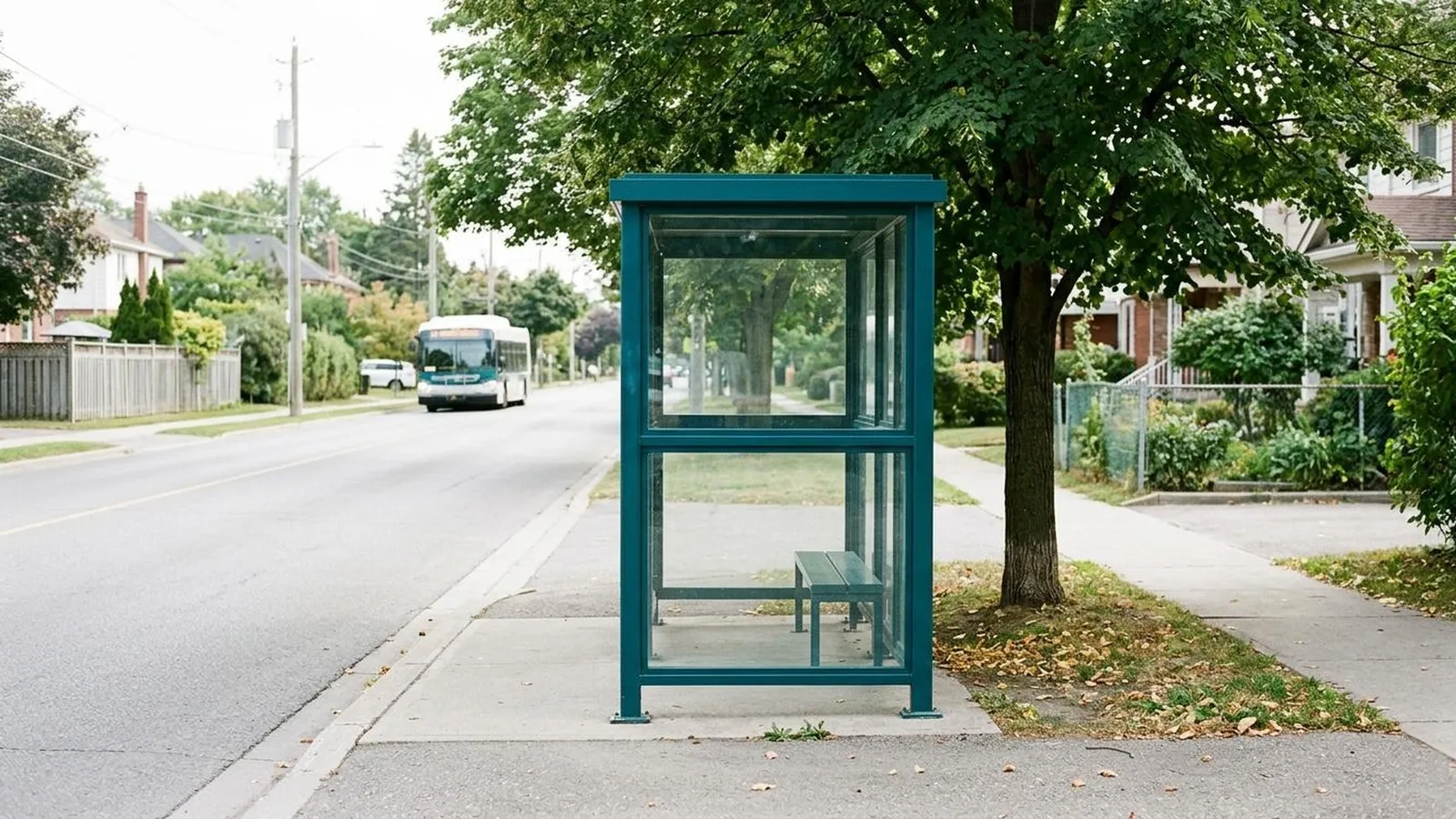
A destination can have excellent public transport and still be awkward from the particular apartment you are considering. The useful question is whether your ordinary journeys work, not whether a city is generally described as walkable.
Before booking a car-free stay, test the routes you would actually use. Include shopping, arrival with luggage, an evening out and a day when you would rather not walk far.
Build your week’s small map
Start with the proposed accommodation entrance. Mark a food shop, a place you expect to visit regularly, useful transport stops and any appointment or activity already important to the trip.
Describe how you would reach each one. A short line on a map does not establish an easy route: consider slopes, crossings, stairs and access arrangements. Use current official transport information for services and tickets, and seek specific answers where access matters.
Keep unconfirmed details visible. “Probably a bus nearby” is a research task, not a completed transport plan. You do not need to know every route in the city, but you do need a workable answer for the journeys central to your stay.
Test shopping, not just sightseeing
Imagine two people staying in one apartment for a month. They are happy walking to a cafe but plan to cook most evenings. The nearest shop is convenient for a few items; carrying a large food shop back would be less appealing.
They might shop more often, use an available delivery service after checking its terms, or budget for occasional transport. None of those choices automatically defeats a car-free plan. They change its cost and routine.
Ask whether the routine is one you would enjoy. Saving money on a rental car may be less attractive if every ordinary errand becomes a negotiation.

Give arrival its own budget
Check how you would reach the property with actual luggage at your expected arrival time. Confirm where the journey ends, the final walk and the check-in arrangements. A route that suits a relaxed afternoon may not suit the evening after a long flight.
Do the same for departure. If the route depends on a particular early service, check the current timetable and what alternative you could use. Keep the accommodation address and necessary instructions available without depending entirely on mobile data.
These are booking-specific checks. This guide does not establish service availability, accessibility or a right to assistance for any particular journey.
Compare the costs you would really incur
Use a fictional example in US dollars for two people over a month. Suppose your planned local journeys would cost $240 on public transport, with another $120 for arrival and departure transfers and $140 for occasional alternative transport. That is $500 in the proposed transport budget.
The comparison is with a complete alternative, not simply a car’s advertised daily rate. Obtain the relevant rental quote and identify parking, fuel, charges and other required costs for your actual plan. Do not assume every listed item applies or is already included.
Also ask whether a car would change the accommodation you choose. A cheaper property outside the area you want to live in creates a different daily experience. Compare both the complete costs and where your time would go.
Keep a practical fallback
Identify what you would do when a journey is inconvenient or a service does not run as expected. Check the alternative’s availability and cost rather than assuming you can always summon a vehicle.
A fallback is also relevant to personal preferences. One traveller may welcome a long walk; another may want to use transport sooner. Agree how that affects the budget before the trip instead of treating every paid ride as a failure.
If a car is needed only for a particular outing, investigate that specific option separately. Do not assume a short rental or other arrangement will be available until checked, and do not rent for the whole month solely because of one unplanned possibility.
Choose a base that makes the plan easier
Use the base-selection guide and the accommodation guide together. A suitable location can remove repeated journeys; a lovely apartment can also introduce them.
Then put the actual transport assumptions into the month-away budget. You are ready to compare when you can explain an ordinary week, arrival and departure, and a realistic alternative for the days that do not go to plan.