Keep your phone, mail and account access working while away
Test phone, mail and essential account access before a longer stay, including provider-supported recovery arrangements.

You arrive, connect to the apartment’s Wi-Fi and try to sign into your bank. The bank wants a code sent to your usual phone number. Your travel data connection works, but you have not checked whether that number can receive the message here.
This is an imagined situation, not a report about a particular bank or phone plan. It shows why “I have internet” and “I can use the accounts I need” are two different checks.
For a longer stay, build a simple access plan before departure. The aim is to keep ordinary life working without leaving every route back into it on one phone.
Follow one real task from beginning to end
Choose an ordinary task, such as checking a bill. Start from a device you expect to take. Can you open the account, complete its required verification, find the bill and confirm how it will be paid?
Repeat for your primary email, phone account and essential household services. Read each provider’s own instructions for travel, verification and recovery. Ask about restrictions before changing anything; do not assume a service permits every country, address arrangement or length of absence.
Make a private checklist of what needs to work. Keep passwords, recovery codes and financial details out of shared travel documents or public discussions.
Give your phone number its own plan
A local SIM or travel eSIM may solve a data need without settling what happens to your existing number. Ask your current provider about the actual plan: use abroad, duration limits, charges, calls, texts and any Wi-Fi-calling conditions relevant to your device and destination.
Then check important accounts separately. Which verification methods do they support? Which ones have you actually enrolled and tested? If a provider offers another suitable method, follow its instructions while your normal access still works. A method available on one service may not be available on another.
Consider what happens if the phone is lost, damaged or replaced. Identify the provider’s recovery process and what information or equipment you would need. Avoid testing by deleting your only working method or signing out of every trusted device at once.
Separate daily convenience from recovery
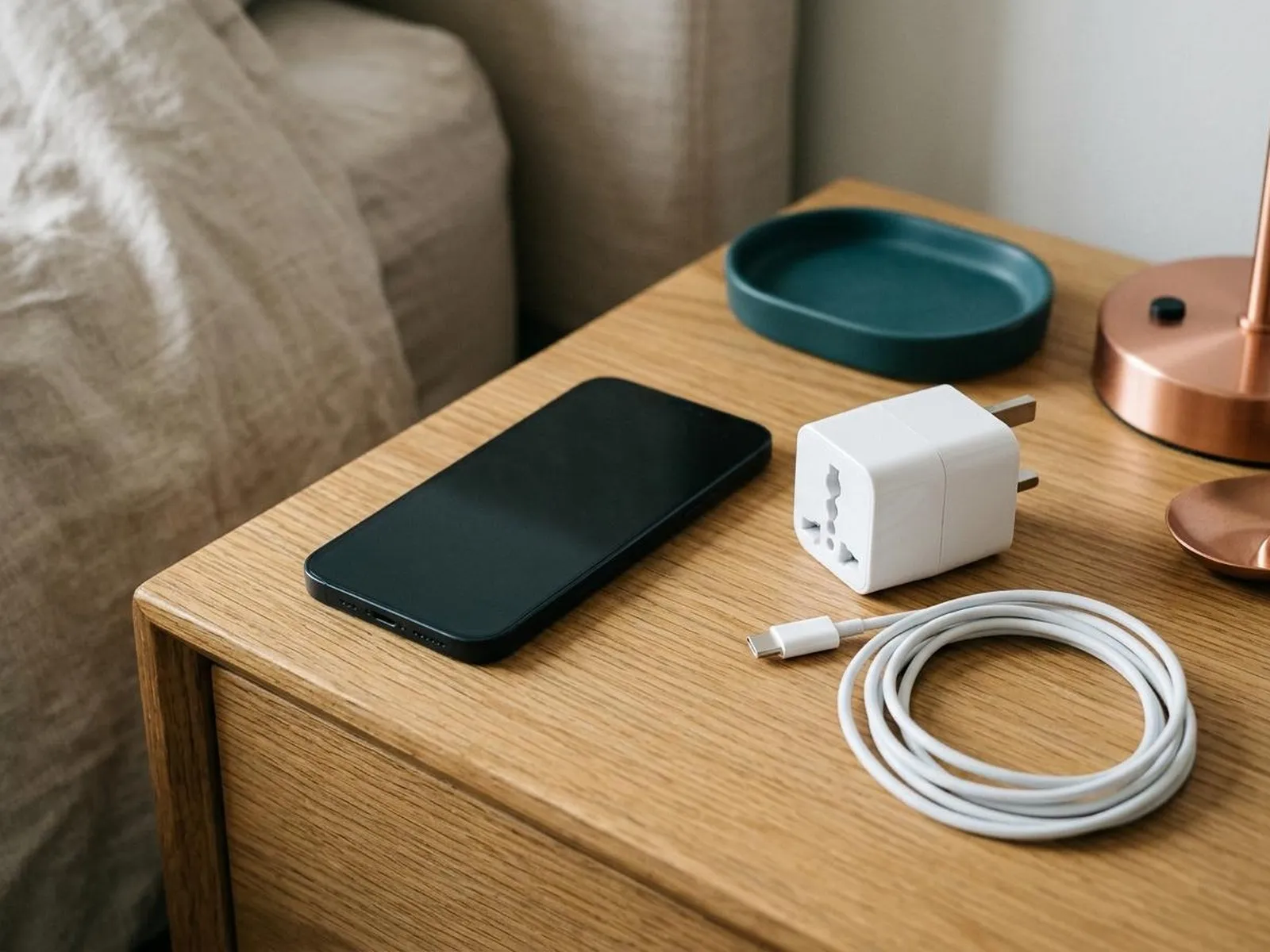
Imagine a traveller carrying one phone that holds email, booking confirmations and all available verification methods. Losing it creates several recovery tasks at the same time.
A planning exercise is to ask which essential task could still be completed without that phone. Could you contact the carrier? Access the provider’s official recovery instructions? Find the accommodation address and an emergency contact?
Keep appropriate recovery material securely, following the relevant provider’s guidance, with a route to it that does not depend entirely on the device it would help recover. Do not store a password and every recovery secret together in an unprotected document. This guide is a preparation checklist, not a substitute for a service-specific security assessment.
Decide who notices the mail
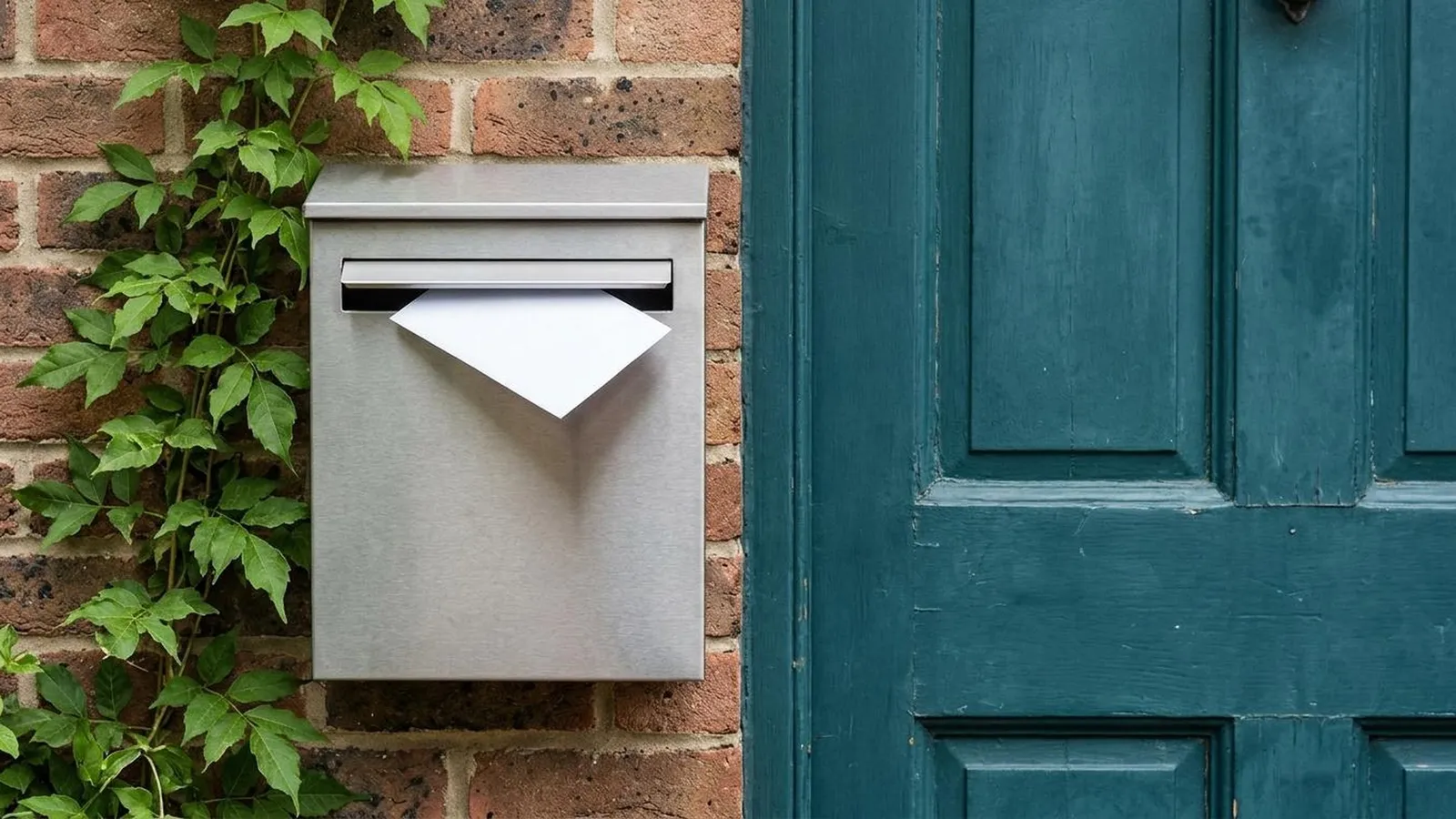
List the physical mail you still expect: official correspondence, replacement cards, property notices or anything requiring a response. For each type, decide who will notice it and how you will learn that it arrived.
Paperless delivery can reduce the pile, but first confirm which notices the sender actually delivers electronically. If someone you trust will check the post, agree what they may open, how they should contact you and which information should not be sent through casual messages.
If considering a commercial mail service, check what it accepts, forwarding destinations, handling times, charges and identity requirements. Ask relevant organizations whether they accept that address for your particular purpose. A forwarding address does not by itself establish residency or satisfy a bank’s address rules. RESTED is not offering a mail-handling service.
Test the handoff before travelling
Run one ordinary week as though you were already away. Let the bill alert arrive, check it through your planned access method, and see whether the mail arrangement works. Use a non-sensitive test item rather than a valuable document.
Write down any task that still depends on being at home. Perhaps a device needs replacing, a provider has an unanswered question, or a household bill has no clear owner. Resolve those gaps before building more complexity into the itinerary.
A compact private checklist can look like this:
| Essential task | Normal route | If that route fails | Checked? |
|---|---|---|---|
| Receive an important account notice | Actual email or postal route | Agreed contact or provider process | Date tested |
| Complete account verification | Enrolled method | Provider-supported recovery route | Date tested |
| Contact someone on arrival | Planned connection | Offline contact details and another agreed route | Date checked |
| Handle a time-sensitive letter | Named person or service | Escalation arrangement | Agreement confirmed |
Keep travel information available too
Save the arrival address and necessary contact information somewhere you can use without a working mobile connection. Keep sensitive documents protected. The US State Department’s checklist recommends copies of required travel documents, including a set separate from the originals and a set with a trusted person. Decide how to protect those copies and who actually needs access.
Connect this exercise to the before-departure guide and your annual travel rhythm. Recheck the arrangement when a phone, provider, trusted contact or destination changes. The useful result is ordinary access you have tested, plus a recovery route you understand—not another subscription bought just in case.