A rail-led month: one base or several stops?
Compare one base with a sequence of stops by counting the ordinary days each plan leaves you.

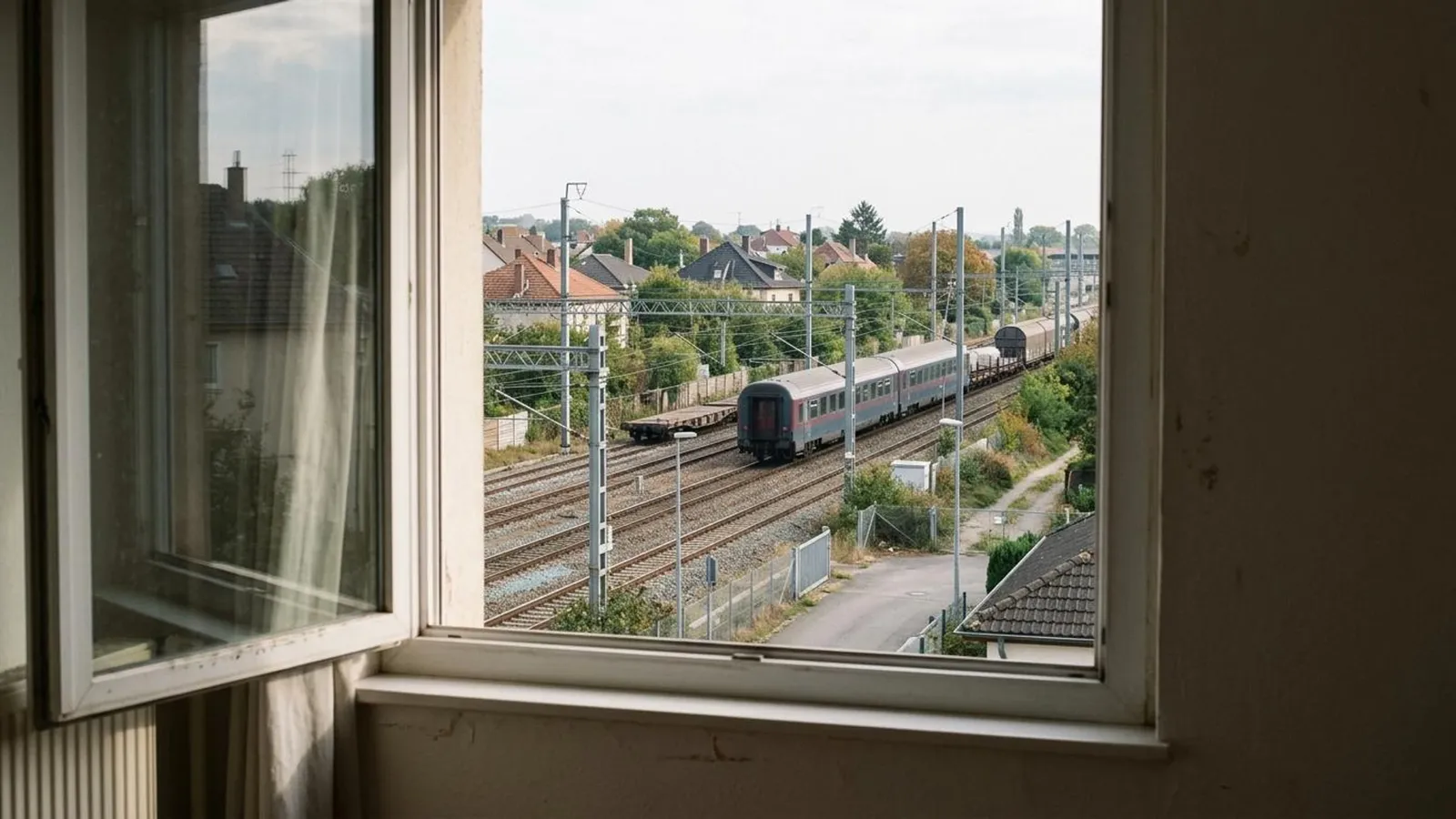
A month connected by trains can mean two very different lives. You can settle in one place and make outings, or move from city to city. Both are valid. The important comparison is the month you will experience, not the number of destinations printed on the itinerary.
Count ordinary days, not just nights
Take a fictional 28-night trip. Version A uses one base. Version B divides the nights among four places. Version B adds three moves after the initial arrival. Each move involves more than the train: packing, checkout, reaching the station, waiting, the journey, arrival and settling in again.
Do not automatically subtract a whole day for every move. Instead, mark the actual time and effort each one consumes. A short direct journey may leave a pleasant afternoon. A complicated transfer with heavy bags may dominate the day.
Then count the days with no transport deadline. If your aim is to read, cook and get to know a neighbourhood, those are important days. If the aim is to enjoy several rail journeys, the moving itself may be part of the point.
Test the one-base version honestly
A single base is not automatically simpler. Repeated day trips can create long returns, expensive tickets and pressure to catch the last service. Choose a base for the life you want there first, then test the outings that matter.
List two outings you genuinely want, rather than every place theoretically reachable. For each, examine the whole day, including the trip between your accommodation and the station. Ask whether an overnight elsewhere would be more enjoyable than returning late.
Choosing a base for a month covers the everyday side. A station on a map is only one feature of a place to live.
Give a moving itinerary some quiet stretches
If several bases appeal, make at least one stay long enough to develop a small routine. A repeated walk or familiar grocery shop can change the feel of a journey that otherwise consists mainly of arrivals.
Keep a flexible day after a move where possible. Do not assume that arriving at noon means being ready for a demanding afternoon, especially when room access and luggage storage remain unresolved.
For ticket choices, use Railway Reviews’ European booking guide. A pass, a reservation and a place to stay solve different parts of the trip; none makes the others unnecessary.
Compare the versions on one page
Write down accommodation cost, transport cost, number of moves, luggage demands and uninterrupted days. Add one sentence describing what each version makes easier and what it gives up.
You might discover a third plan: one main base and one short rail excursion with an overnight stay. That can preserve ordinary life while giving the journey room to matter.
Choose the plan you would still enjoy on a tired or rainy day. A rail-led month does not need to be a month spent continually catching trains.