Singapore for a longer stay: choose a neighborhood around an ordinary week
Choose a longer city stay around lawful accommodation, the actual address, local transport and the ordinary week you want.

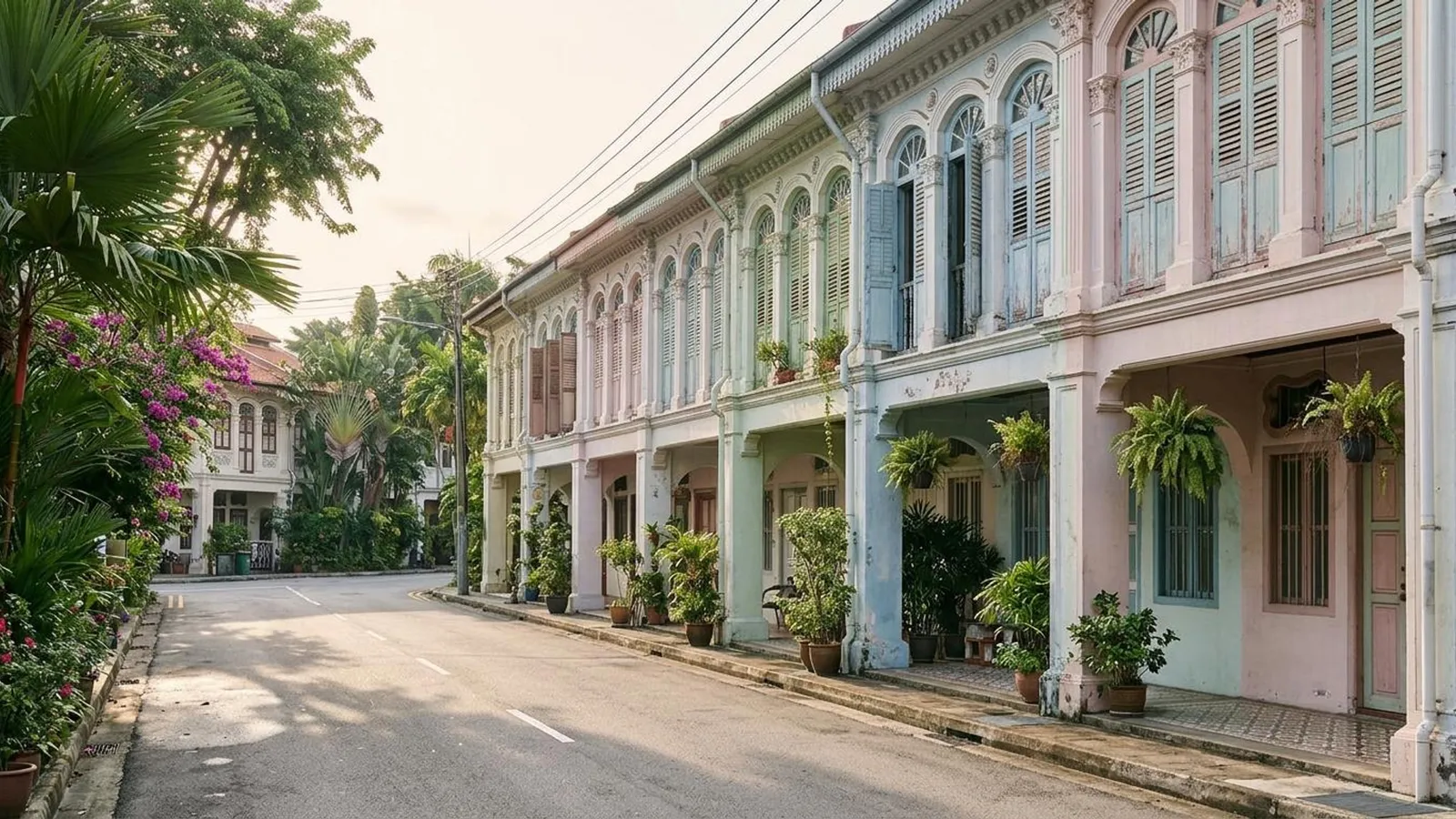
Singapore can be worth considering for a longer stay when the attraction is everyday city life: a familiar breakfast, a regular route, time for museums and food, and enough quiet days to stop treating every outing as an event.
Start with a lawful place to stay and a neighborhood that suits your repeated journeys. The train map is useful, but it cannot choose the apartment, explain the last walk home or tell you whether the room will be pleasant during an afternoon indoors.
This is a researched planning profile, not a firsthand stay report or a relocation guide. The official sources were checked November 15, 2026. A longer holiday does not establish permission to remain, work or rent a particular kind of property.
Make the length of stay a real constraint
Before comparing neighborhood photographs, establish what accommodation is suitable for the proposed period. Singapore’s Urban Redevelopment Authority explains that private residential properties cannot be used for stays shorter than three consecutive months. Do not assume a month-long listing on a booking platform is therefore an appropriate tourist rental.
Ask the provider to identify the accommodation category and confirm that the exact stay is permitted. Compare legitimate accommodation options on that basis rather than stretching a residential tenancy to fit a holiday. This guide does not certify any listing or summarize every accommodation category’s rules.
Entry is a separate question. The Immigration & Checkpoints Authority’s entry page is the starting point for your circumstances. ICA says the electronic Visit Pass records the maximum days and last permitted day of stay after admission. A hoped-for month is not an admission promise.
Choose between two actual routines
Imagine an explicitly hypothetical traveler considering one base around Bugis and another around Chinatown. These are locations to research, not verified properties or recommendations that either suits everyone.
The LTA rail network map includes both stations. Put the full accommodation address next to the station you would really enter. Then mark the food shop, any regular activity and two places you expect to visit repeatedly.
For the Bugis option, the traveler might investigate walks around Kampong Gelam; for the Chinatown option, they might investigate a food-centered routine and the routes from that address. Those are interests to develop with actual venues and schedules, not a claim that every errand is on the doorstep.
Try three journeys from each address rather than one airport transfer. A base that works beautifully after landing may still be inconvenient for the week you want. Conversely, an extra arrival-stage change may be acceptable if the daily route is more comfortable.
Count the last walk, not just the train ride
A station on the correct line is helpful. It does not make every property near that station equally convenient. Find the appropriate exit and trace the route all the way to the entrance, including road crossings and any final stairs.
Ask what you would carry on that walk. A light sightseeing bag and groceries for several meals are different tests. If step-free movement matters, check the operator’s relevant information and the specific property entrance rather than treating a network map as an access guarantee.
Keep an alternative for days when the usual journey does not appeal. The purpose of a car-free stay is freedom to choose useful transport, not a rule that you must walk every last block. Put occasional alternatives into the budget before deciding they are an extravagance.
Let the climate shape a comfortable day
The Meteorological Service Singapore describes a tropical climate with heat, high humidity and abundant rainfall throughout the year. Its account of monsoons and thunderstorms gives context, not a forecast for your chosen week.
Build a day that still works when a planned long walk is unattractive. Perhaps the fictional traveler prefers an earlier outing, lunch and an indoor afternoon, followed by another short trip if conditions suit. That is one adaptable routine, not a claim that a particular hour will be dry or cool.
Check the actual accommodation’s cooling, ventilation, seating and laundry arrangements. Ask how you would dry clothing and where you would spend time when staying in. A longer visit contains ordinary indoor hours as well as postcard moments; comfortable shelter matters to both.
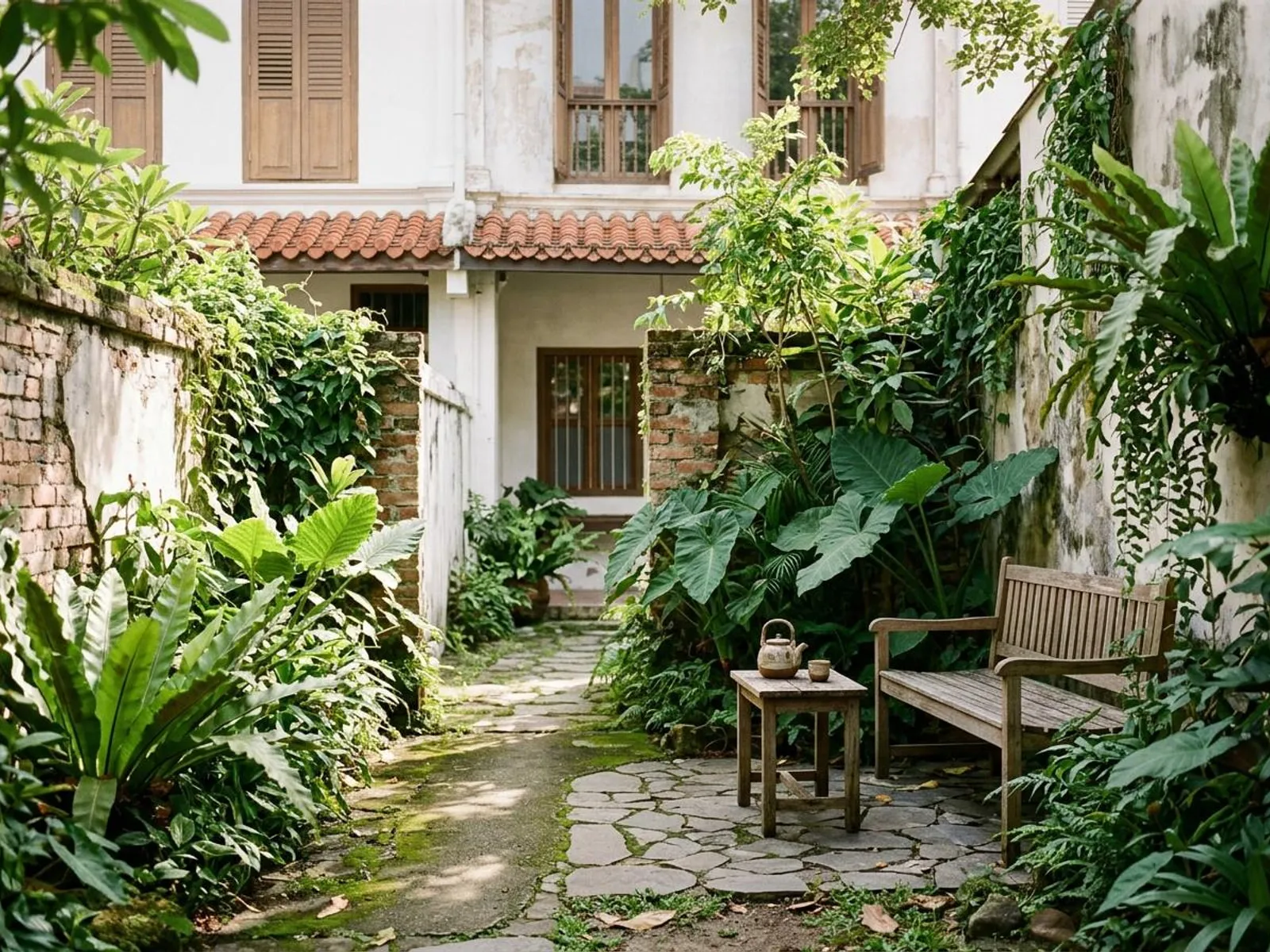
Make food an interest and a practical question
Food can anchor a stay without every meal becoming a hunt for a famous dish. Compare the choices near the address, their actual opening arrangements and your own dietary needs. Check whether the accommodation’s cooking facilities are genuinely suitable if you plan to use them.
For one deliberate outing, the Lau Pa Sat hawker-meal guide offers an experience to investigate. It is a useful addition to an ordinary week, not evidence that every nearby meal will be available, inexpensive or suitable for you.
A hypothetical week might contain four breakfasts at home, several meals out and one food-focused outing. Price your version with current information. Do not substitute a city-wide “cheap food” claim for the places and portions you would actually choose.
Leave room for an interest to develop
Pick something you would like to return to: looking at objects in a museum, noticing a neighborhood, learning about food or reading. Verify the actual venue or activity before relying on it. One specific possibility is the Peranakan Museum’s food, cloth and home themes, explored on Bucketlist Experiences.
The point is not to fill thirty days in advance. It is to have a reason to enjoy returning to the same city streets, including days that produce no impressive photographs. Use the guide to unplanned days to leave that space deliberately.
Test the complete stay before committing
Build the total from an eligible accommodation quote, travel, local journeys, food and the costs that continue at home. Keep Singapore-dollar figures beside the conversion date and assumption; this profile supplies no live rent or daily-spend estimate.
The accommodation guide helps with questions about the unit, and the month-away budget brings the costs together. Start with a shorter lawful trial if that better matches your confidence and circumstances.
Singapore could suit you when the permitted stay, address and routine work together. Browse the Singapore experience overview after those foundations are in place. You are choosing a version of daily life, not proving you can remain busy for a month.
Airline Ace’s Singapore arrival guide covers the first transport leg. For an initial short booking while you assess a longer stay, Hotel Hacker compares a city base with an airport night.
Official sources linked above were checked November 15, 2026. No firsthand note has yet been added.