Keeping useful routines when work or travel changes your week
Identify the everyday habits you want to keep through retirement or longer travel, and make a practical plan for movement, meals, sleep and connection.

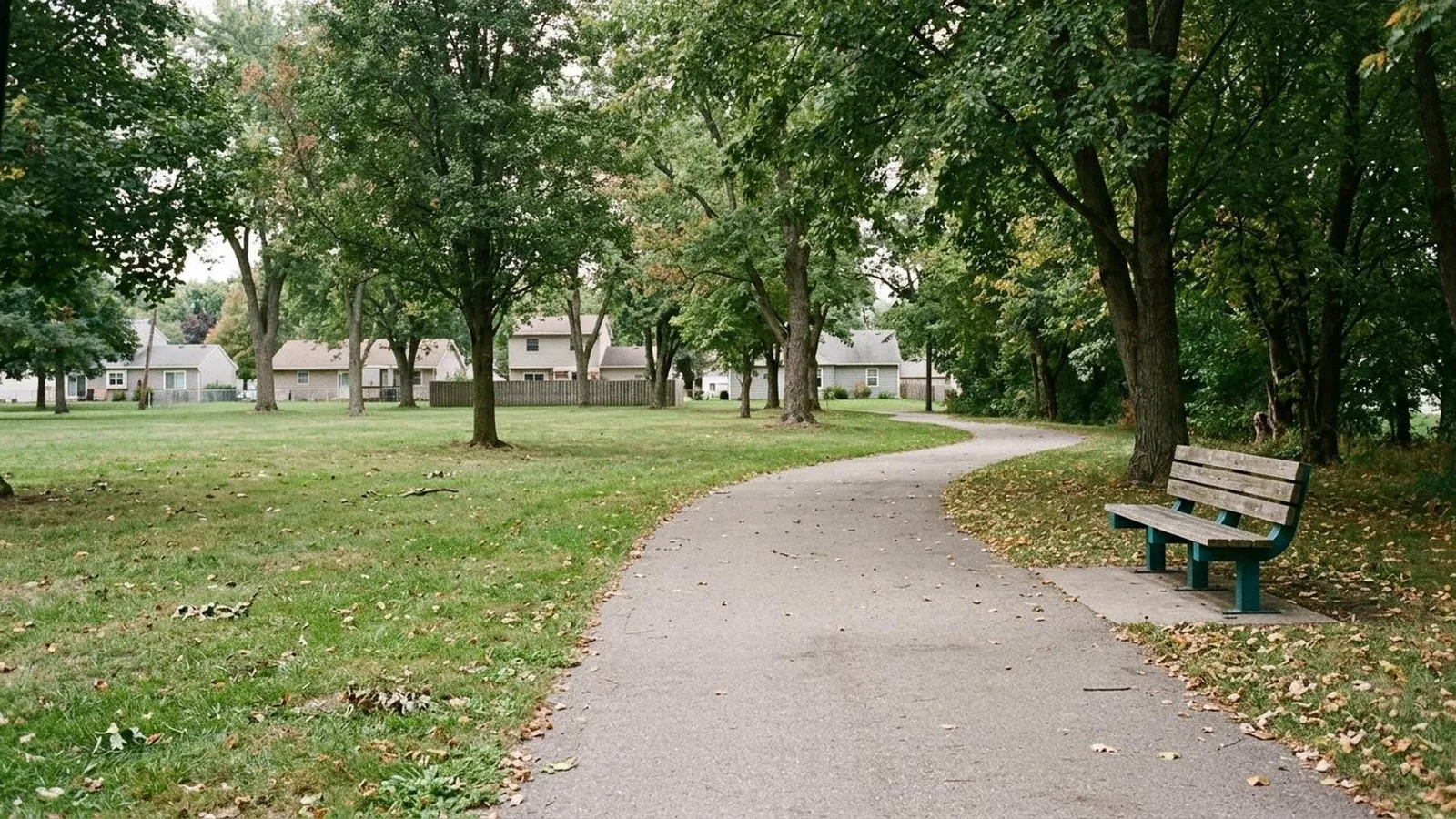
Perhaps your working day already contains a few useful habits. You walk before the first meeting, eat lunch at a fairly regular time or talk to the same people during the week.
When work changes—or you spend a month somewhere else—the timetable changes too. More freedom gives you room to make choices, but it does not decide what your ordinary days will look like.
Instead of planning a complete reinvention, start by noticing what already helps you. What would you like to keep, what would you like to change, and what would make it easier in the next version of your week?
Look at the routine you have, not the one you imagine
Take one recent ordinary day. What did you eat, when did you move, who did you speak to, and what happened before bed?
You do not need a tracker or a score. A few observations are enough. Perhaps a walk happened because it fitted between two commitments. Perhaps a social activity depended on colleagues being nearby. Perhaps an evening task regularly pushed bedtime later than you wanted.
The practical question is what will happen to those arrangements when the working day or location changes. A habit you enjoy may need a new time, route or person to do it with.
Choose a few things worth protecting
The CDC’s healthy-aging guidance includes physical activity, food, sleep, social connection and regular healthcare among the areas to consider. You do not have to redesign every area at once.
Choose one or two that matter to you now. Keep the plan compatible with your abilities, preferences and any professional advice you already follow. If a health condition, injury or persistent symptom affects what you can do, discuss the appropriate next step with a healthcare professional rather than treating a general article as a personal plan.
The suggestions below are ways to organize a week. They are not treatment, exercise prescriptions or a promise that retirement or travel will improve your health.
Give movement a place in the day
“I’ll be more active with all that free time” is an intention. A specific opportunity is easier to plan around.
For someone who already enjoys walking, that could mean identifying a familiar route after breakfast. For someone who prefers an existing class or a different form of movement, it could mean checking its schedule and how to get there.
When traveling, do not assume that a city being described as walkable makes every route suitable for you. Look at the distance, surface, hills, crossings, weather and places to rest. Ask practical questions about steps and access at the accommodation too.
Choose activities that fit you; do not turn somebody else’s holiday step count into a target. Allow for days when plans or energy change.
Make ordinary meals practical
A kitchen can be useful on a longer stay, but check whether it supports what you actually want to prepare. A kettle and a photograph of a countertop are not much information about cooking facilities.
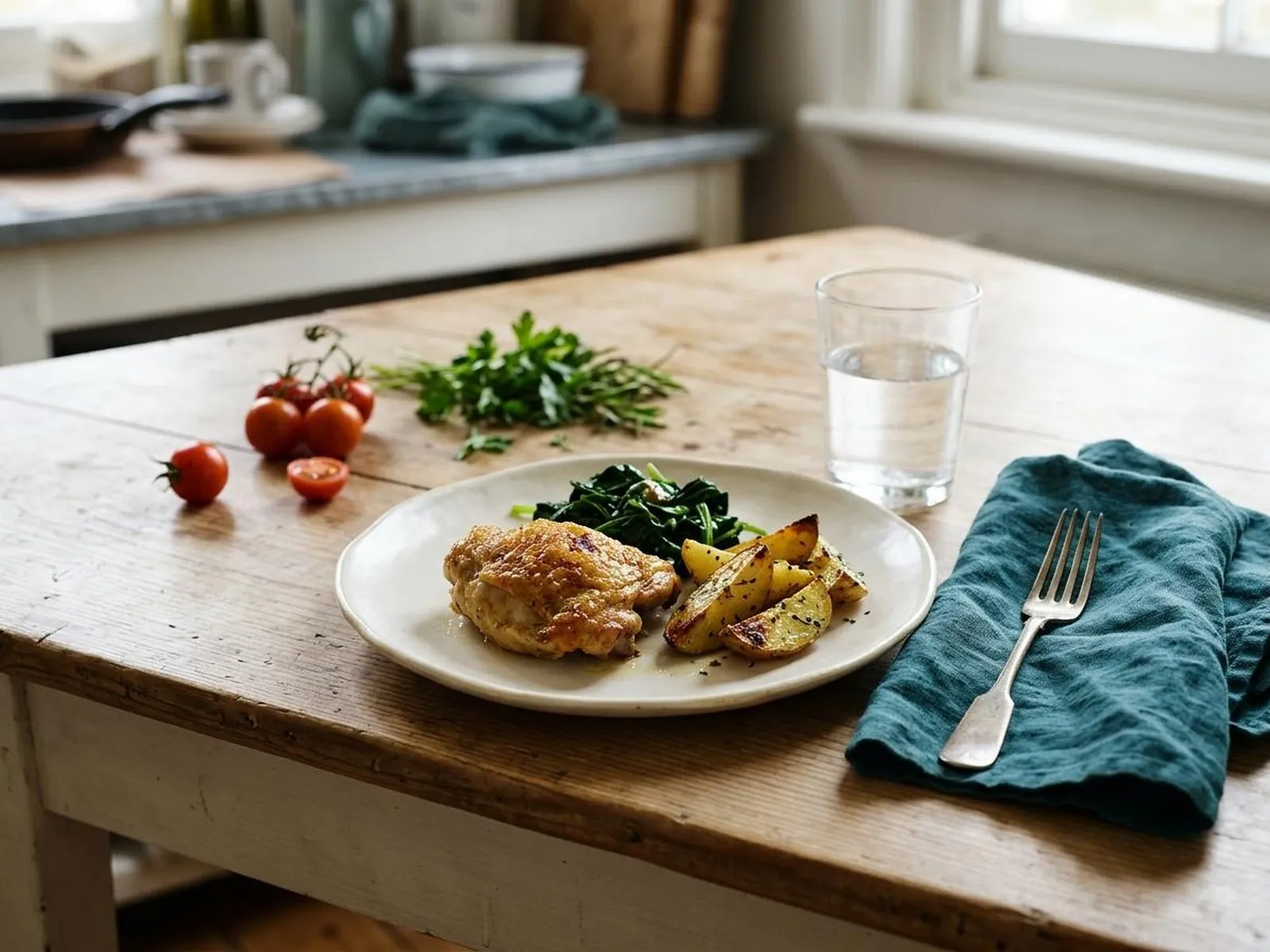
Think through a few ordinary meals, where you would buy the ingredients and how you would carry them back. If eating out is part of the pleasure of the trip, leave room for it rather than designing a budget around cooking every meal.
At home, a change in work may alter who shops or cooks and when you eat together. Agree how you would like that to work. The goal is a routine that is practical enough to repeat, not a strict menu that adds another unwanted job.
For nutrition advice linked to a medical condition or treatment, use your clinician or an appropriately qualified professional.
Think about the evening as well as the morning
Before choosing a longer-stay property, ask questions that affect whether you could settle there: expected noise, window coverings, temperature control and how the rooms are arranged.
Your travel plans matter too. Several late nights followed by early departures create a different week from a single base with more flexible mornings. Decide which version you want rather than assuming a slower pace will happen automatically.
Keep any useful bedtime arrangements in mind when work no longer sets the next morning’s start. If sleep problems persist or affect daily life, seek professional advice; a change in routine should not become a reason to ignore them.
Put connection into an actual arrangement
A regular conversation may have happened almost by accident at work. Away from that setting, ask what contact you would like to keep and what new opportunities interest you.
It might be a call, a class, a local group or time with family. Check other people’s availability and the time difference when abroad. Make an arrangement flexible enough to enjoy rather than another commitment you resent.
There is room for solitude too. The question is whether the amount of time alone suits you, not whether your calendar looks busy.
Try a smaller version for two weeks
Here is a planning example to adapt, not a health program:
| What I want to keep | A practical arrangement | What I will notice |
|---|---|---|
| An activity I already enjoy | Choose an available time and suitable place | Is it comfortable and easy to fit in? |
| Meals that work for me | Identify a few simple options and where to get them | Am I relying on facilities that are not really available? |
| A workable evening | Leave space before the next morning’s plans | Does the schedule suit how I want to spend the day? |
| Contact with someone I like | Agree a call or shared activity | Does it fit both people’s week? |
After a couple of weeks, keep what is useful and change what is awkward. You might discover that the time of day is wrong or that a particular place does not suit you. The point is to make the routine workable, not to judge yourself for missing a box.
For a wider view, use the ordinary-week exercise. For travel-specific coverage and medication arrangements, use the longer-stay checklist. A good next step can be as small as making one part of tomorrow easier to arrange.