A month away contains ordinary meals as well as memorable restaurant visits. Before choosing accommodation, decide how you would like those meals to work and what would make them easy enough to repeat.
A change in work can remove familiar journeys and create new space in the day. A longer stay can change them again. Before buying equipment or setting an ambitious target, look at the ordinary week you expect to live and where movement could realistically belong.
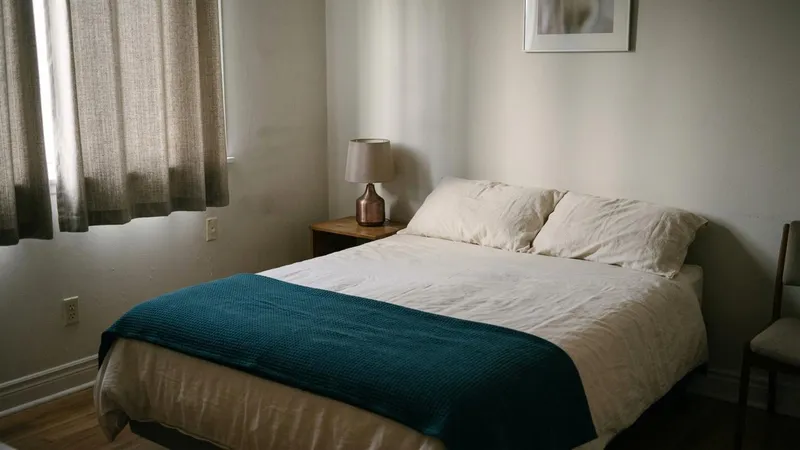
A quiet apartment, an unhurried evening and a relaxed itinerary can make a stay appealing. They do not establish that you will sleep well there. Before booking a longer stay, give the sleeping arrangements and the shape of the day the same attention as the view.
Identify the everyday habits you want to keep through retirement or longer travel, and make a practical plan for movement, meals, sleep and connection.
Updated
A change in work changes routines: sleep, movement, food, social contact and access to care. This hub covers practical routines and the planning questions around insurance and healthcare, without promising a health outcome.
If you leave employer coverage before Medicare age, which questions must you answer, and who can answer them for your situation? (US-specific.)
What does access to care look like during a longer stay away, and what should you research before you go?
Which routines keep energy and connection steady when the working week disappears?
Try this first
Sketch one ordinary week you’d like after a change in work, and mark where sleep, movement, meals and contact with other people happen. It’s a planning exercise, not medical advice. For anything about your own health or coverage, talk to a qualified professional.