Give sleep a place in your travel and retirement routine
A quiet apartment, an unhurried evening and a relaxed itinerary can make a stay appealing. They do not establish that you will sleep well there. Before booking a longer stay, give the sleeping arrangements and the shape of the day the same attention as the view.

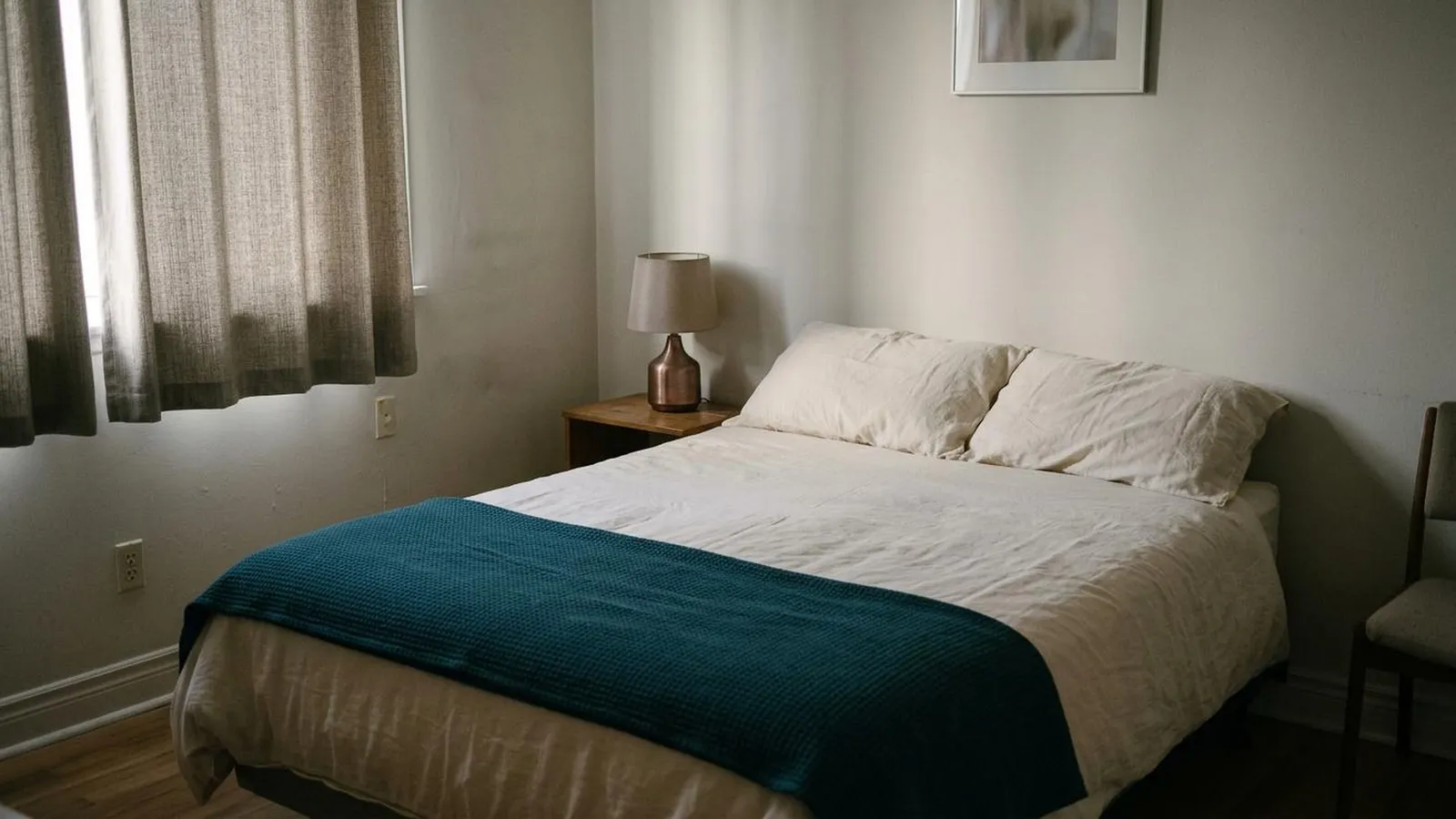
A quiet apartment, an unhurried evening and a relaxed itinerary can make a stay appealing. They do not establish that you will sleep well there. Before booking a longer stay, give the sleeping arrangements and the shape of the day the same attention as the view.
This guide is general planning education, not treatment for insomnia or a jet-lag protocol. The CDC source below was checked on November 13, 2026. Persistent sleep problems deserve discussion with a healthcare provider rather than a promise that travel or retirement will solve them.
Understand the reference point
The CDC’s sleep overview gives age-specific adult sleep-duration guidance: seven or more hours for ages 18–60, seven to nine for ages 61–64, and seven to eight for adults 65 and older. It emphasizes that quality matters as well as duration.
That does not mean a clock reading diagnoses your sleep or that everyone should copy one bedtime. Use the official guidance as a starting point for understanding the issue, and take personal concerns to an appropriate professional.
Ask about the room you would actually use
For a longer booking, identify the bedroom, bed arrangement, light-control options and any indoor-comfort features important to you. Ask about noise where it affects your choice; do not infer quiet from a photograph taken inside an empty room.
Imagine a hypothetical couple choosing between a lively street-facing apartment and another whose sleeping arrangements are better documented. They may enjoy spending evenings near activity and still decide they do not want it outside the bedroom.
The decision is about the particular property. A neighbourhood name, review score or description such as peaceful cannot establish every condition you need.

Protect time rather than filling every gap
Look at arrival, departure and early excursions together. Would the proposed sequence leave the opportunity for the sleep you need, or does the plan assume that you can keep adding late evenings and early starts?
A day without a fixed booking may be valuable for practical reasons. You can decide not to schedule an ambitious outing immediately after a long journey without claiming that one schedule works for everybody.
The travel-pace guide helps make those trade-offs visible. An itinerary should serve the stay you want, not require you to dismiss every ordinary need to complete it.
Keep useful habits available
CDC lists regular sleep and wake times and a quiet, relaxing, cool bedroom among its general sleep-habit suggestions. Think about how the accommodation and commitments would support your existing useful habits.
For example, if you normally spend some quiet time before bed, is there somewhere to do that without disturbing a travelling companion? If one person prefers a later evening, what arrangement would work for both?
These are practical questions about the setting. They do not prove that a particular habit will resolve a medical problem, and they are not instructions for shifting your schedule across time zones.
Treat time-zone changes as a separate question
This article does not prescribe light exposure, medication, supplements or a timetable for adjusting sleep. Those decisions can depend on the journey and the person; get suitable guidance where needed.
When comparing flights, consider whether the timing and connections fit your practical needs alongside the price. Do not assume a cheaper itinerary is equivalent if it creates a sequence you do not want to repeat.
If a sleep-related concern affects driving, work or another safety-sensitive activity, seek appropriate help rather than relying on an itinerary worksheet to establish that you are fit to do it.
Know when planning has reached its limit
CDC advises talking to a healthcare provider about regular problems sleeping or possible sleep-disorder symptoms. A better booking cannot substitute for that evaluation.
If you keep notes for a professional conversation, retain them privately and describe what happened rather than assigning yourself a diagnosis. No need to post a detailed health history in a public travel discussion.
Use the stay-review guide to record property features and schedule choices you would change next time. The practical outcome is a more thoughtful setting and itinerary, with personal health questions handled separately—not a claim that retirement guarantees better sleep.