Try slow travel closer to home before planning a bigger change
You do not need to cross an ocean to discover whether you enjoy staying in one place without a packed itinerary. A nearer trial can answer useful questions while keeping the journey and arrangements more manageable.

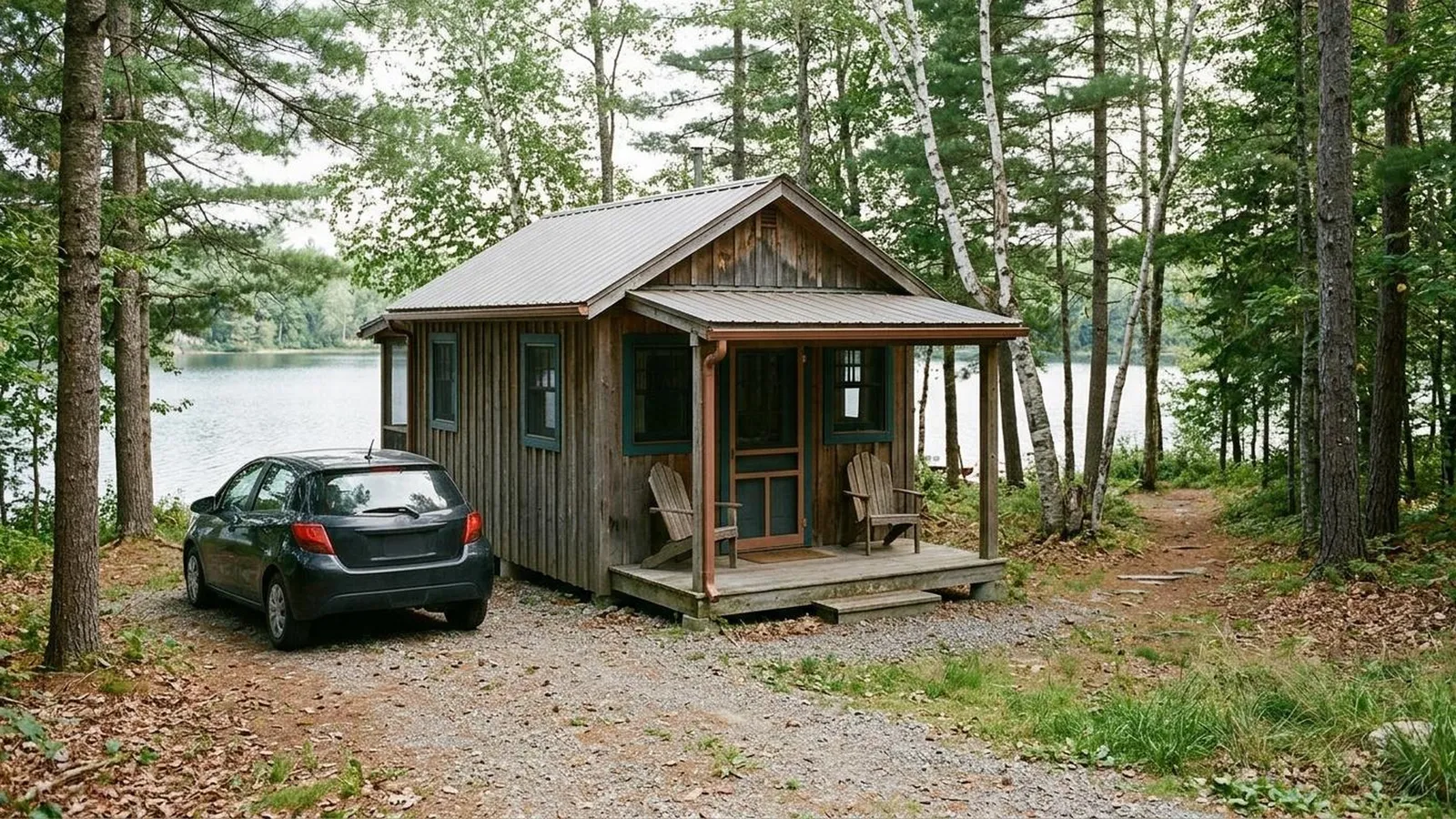
You do not need to cross an ocean to discover whether you enjoy staying in one place without a packed itinerary. A nearer trial can answer useful questions while keeping the journey and arrangements more manageable.
It will not establish everything about a longer stay abroad. It can help you learn how you spend ordinary days, what accommodation matters and what you miss about home before taking on a more complicated experiment.
Choose the question, then the distance
Perhaps you want to know whether a week without work feels welcome, whether you enjoy cooking in a rental, or how much time you want with a travelling partner. Write one main question before choosing the place.
Then consider somewhere that makes it practical to test. A nearby town with shops and walks might suit an ordinary-week experiment better than a remote cabin chosen for its photographs. A different neighbourhood could be enough to test doing without a car.
Choose a distance and duration that fit your obligations. A nearer stay is not automatically cheap or easily reversible. Check the actual transport, accommodation and cancellation commitments.
Make it resemble the life you want to learn about
Imagine a hypothetical couple considering future month-long stays. They arrange an available week in one rental, buy food, cook several meals and leave most afternoons unplanned. They choose one local activity each rather than a daily sequence of attractions.
That week cannot prove they would enjoy three months overseas. It can reveal whether they like sharing that amount of unstructured time and whether the accommodation supports their routine.
Keep the test honest. If the aim is ordinary living, do not evaluate it only through special restaurants and excursions. Equally, you do not need to deny yourself an enjoyable outing to make the experiment serious.
Price it as a trial
Record what the test will cost and what remains payable at home. Set an amount you are willing to spend to learn, rather than arguing that the trip must produce savings.
| Trial question | What to include before booking |
|---|---|
| Can we manage without our usual car? | The actual local transport arrangements and fallback |
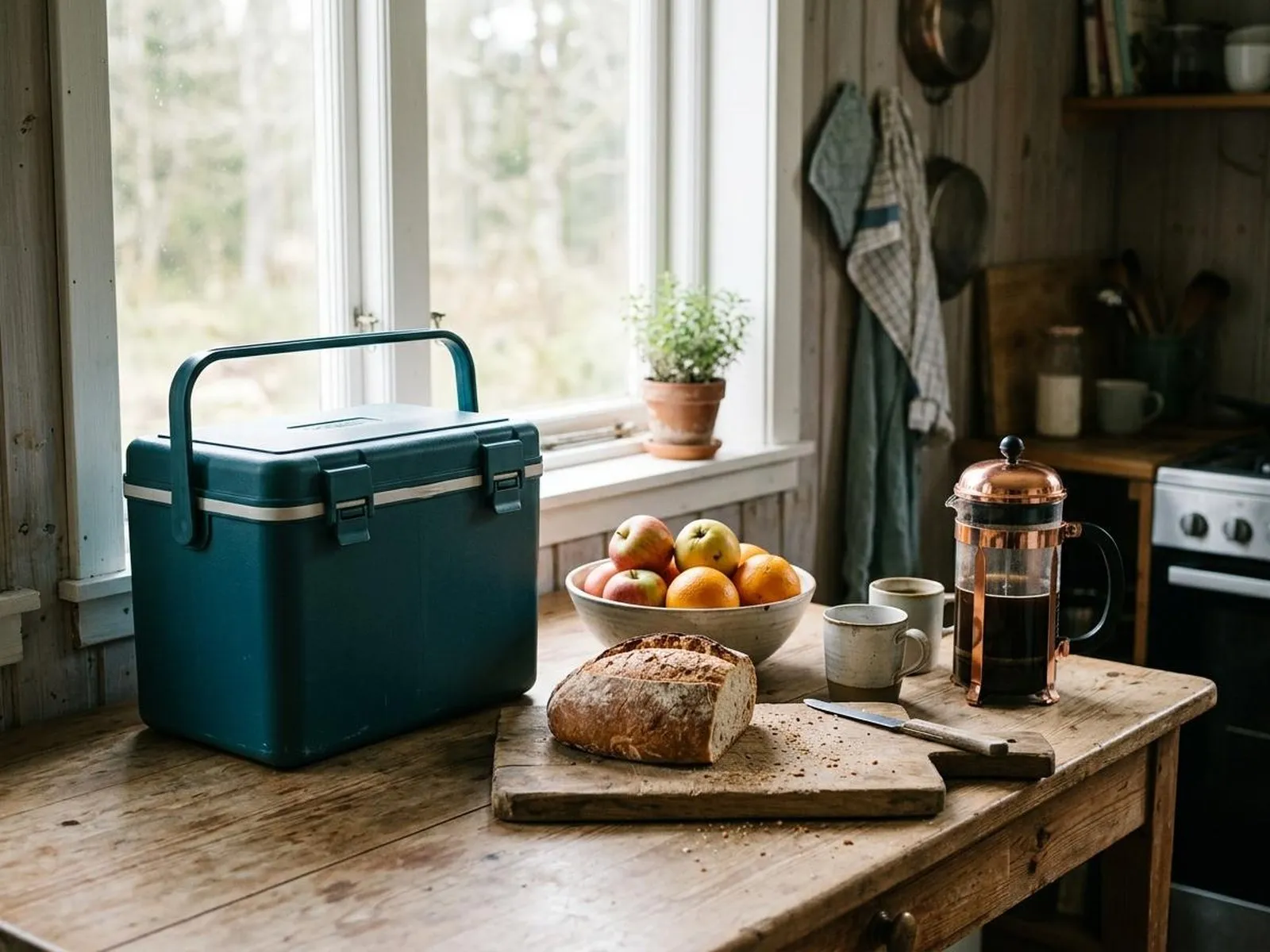
| Do we enjoy preparing ordinary meals away? | Accommodation equipment and realistic food shopping |
| How do we share unplanned days? | Time together, separate activities and expectations |
| Can home responsibilities be covered? | Explicit agreements, costs and a return arrangement |
The month-away budget can be adapted to a shorter period. Change the dates and assumptions; do not divide a monthly example by four and assume every weekly charge follows the same pattern.
Agree what remains the same
A trial while still working has a different purpose from a week of leave. If you intend to work, check the actual employer, client and accommodation arrangements needed. Do not treat being reachable by phone as permission to work from anywhere.
If you are using time off, decide whether work messages belong in the experiment. Agree responsibilities with the people involved rather than assuming someone will cover them. Keep any caring or household commitments realistic.
For a shared trial, discuss each person’s hopes before booking. The different-retirements conversation helps reveal whether you are actually testing the same idea.
Notice what the trial cannot tell you
A week nearby does not establish immigration permissions, healthcare coverage abroad, cross-border tax treatment or the practical effects of a different language. It may also feel different because friends and family are still within easy reach.
List those limitations explicitly. They are reasons for a later stage of research, not reasons to dismiss what you learned about your own preferences. “We liked the routine, but have not tested being far from home” is a useful conclusion.
Likewise, an enjoyable rental does not prove that every destination or season will suit you. Record the features that helped instead of turning one stay into a universal endorsement.
End with one next decision
After returning, compare what you expected with what happened. Would you repeat the length of stay? What would you change about the accommodation, pace or amount of independence? What expense surprised you?
Use the longer-stay review to capture the answers. The next decision might be another nearby trial, more research into a longer trip, or a decision that shorter stays suit you better.
You can learn something worthwhile without declaring yourself a permanent traveller. Start with an experiment you can explain, afford and arrange responsibly, then let the actual experience shape the next step.