Make everyday meals workable during a longer stay
A month away contains ordinary meals as well as memorable restaurant visits. Before choosing accommodation, decide how you would like those meals to work and what would make them easy enough to repeat.


A month away contains ordinary meals as well as memorable restaurant visits. Before choosing accommodation, decide how you would like those meals to work and what would make them easy enough to repeat.
This is a practical food-shopping and accommodation guide. It does not prescribe a diet, calorie target or treatment, and it makes no claim that cooking during travel produces a particular health outcome. Individual dietary needs belong with appropriate professional guidance.
Describe the meals you actually want
Imagine two travellers who like a simple breakfast at home, several dinners in and occasional meals out. Their needs differ from someone who wants most meals prepared elsewhere.
Write a sample week rather than a perfect menu. Include arrival day, a busy outing and an evening when nobody wants to cook. Ask who would shop, prepare meals and clean up. The arrangement should appeal to the people doing the work, not only the person comparing rental prices.
You can enjoy local food without making every meal an event. You can also choose to eat out often, provided that choice is reflected honestly in the budget.
Verify the kitchen behind the label
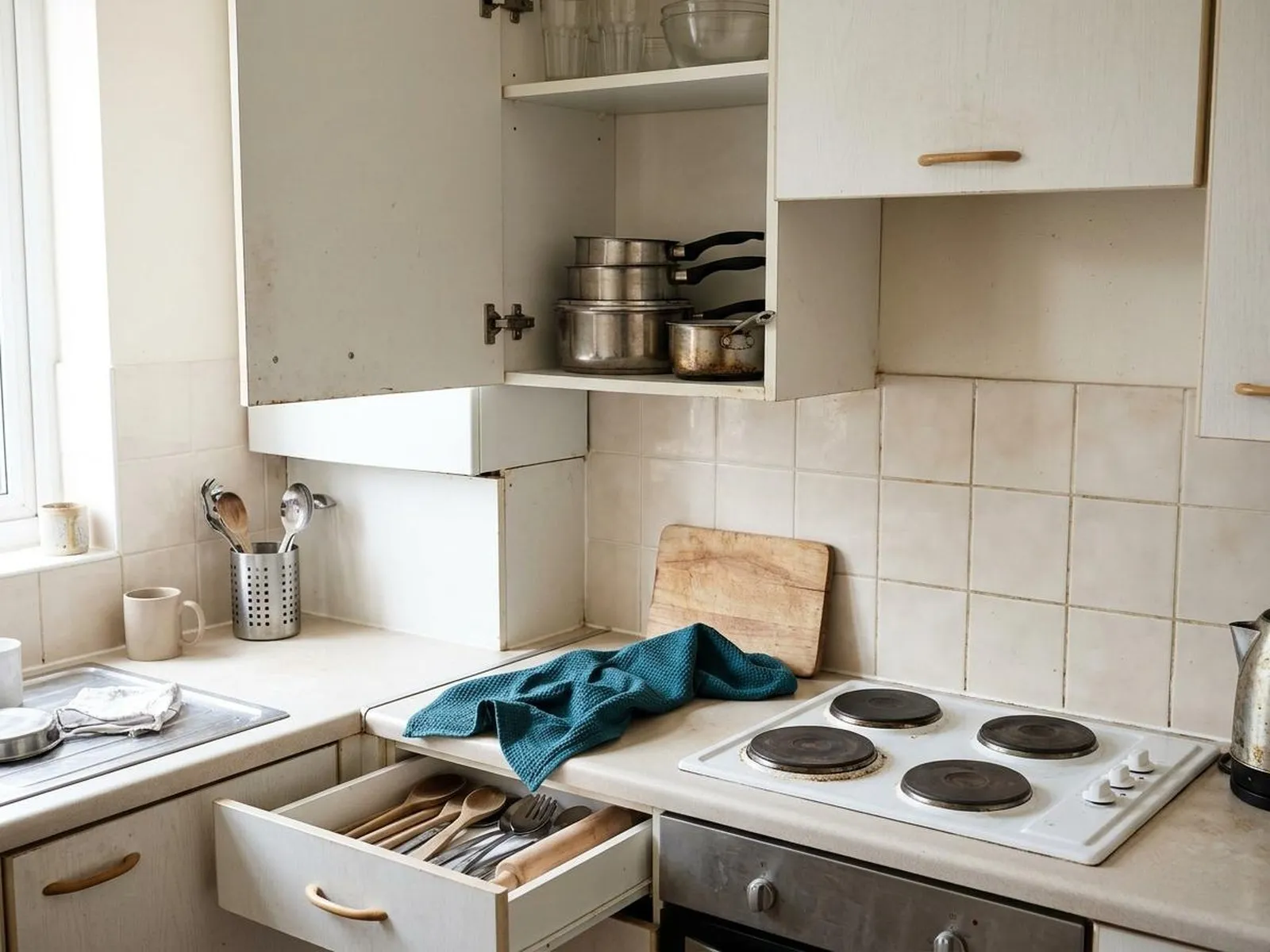
A listing’s kitchen description may not answer the questions relevant to your meals. Ask about the cooking equipment, food-storage space, utensils and seating you actually need.
For a hypothetical example, a couple intending to prepare simple dinners may care more about a usable hob, a suitable pan and a place to eat than a decorative breakfast counter. Another household may need different equipment. Neither should assume a picture establishes the full inventory.
Use the accommodation guide to collect answers before booking. Do not plan a substantial equipment purchase around an unconfirmed gap in the rental.
Trace the shopping journey
Identify where you could obtain the food you expect to use and how you would get it back to the property. Check the actual location and relevant opening arrangements for your dates rather than relying on a nearby-shopping label.
Would you prefer small frequent shops or a larger one? Can you manage the route with what you intend to carry? If considering delivery, confirm availability, property access and charges instead of treating it as automatic.
The car-free guide helps investigate that journey. A low accommodation price can become less appealing if obtaining ordinary groceries repeatedly adds cost or inconvenience.
Keep special requirements explicit
If allergies or other dietary requirements affect your plans, identify the information and professional guidance you need before travelling. Check relevant ingredients, preparation and communication arrangements through appropriate sources.
This guide does not establish that a restaurant, translation app or product label makes a meal safe for an individual. Do not treat a generic description such as healthy, vegetarian or gluten-free as an answer to every personal requirement.
For food storage and preparation, follow applicable official food-safety guidance and the relevant equipment instructions. Where an important question is unresolved, do not improvise an answer from a travel checklist.
Compare spending without creating a false saving
Record planned food spending and meals out in the month-away budget. Include groceries you might not finish and any necessary purchases for the stay.
Cooking is not a guaranteed saving if the accommodation premium, equipment needs or travel to shops outweigh the difference. Equally, one expensive restaurant meal does not establish what every evening would cost. Use your actual proposed pattern and dated prices when you have them.
Separate a first shop from a repeatable week. Buying cupboard basics on arrival can make the initial bill different from later shops; keep both visible without pretending one receipt measures the whole month.
Leave room to change the arrangement
After the first few days, compare the intended routine with what happened. Did the kitchen support it? Was shopping convenient? Did one person end up doing more work than expected?
Adjust the plan rather than defending it because it sounded efficient at home. You might cook fewer meals, choose simpler ones or put a different kitchen on the next accommodation checklist.
Use the longer-stay review to retain those observations. The useful result is an ordinary food routine that fits your preferences, requirements and budget—not another set of tasks that turns the stay into work.