Could Seattle suit a longer stay without a daily rental car?
Choose a longer city stay around lawful accommodation, the actual address, local transport and the ordinary week you want.

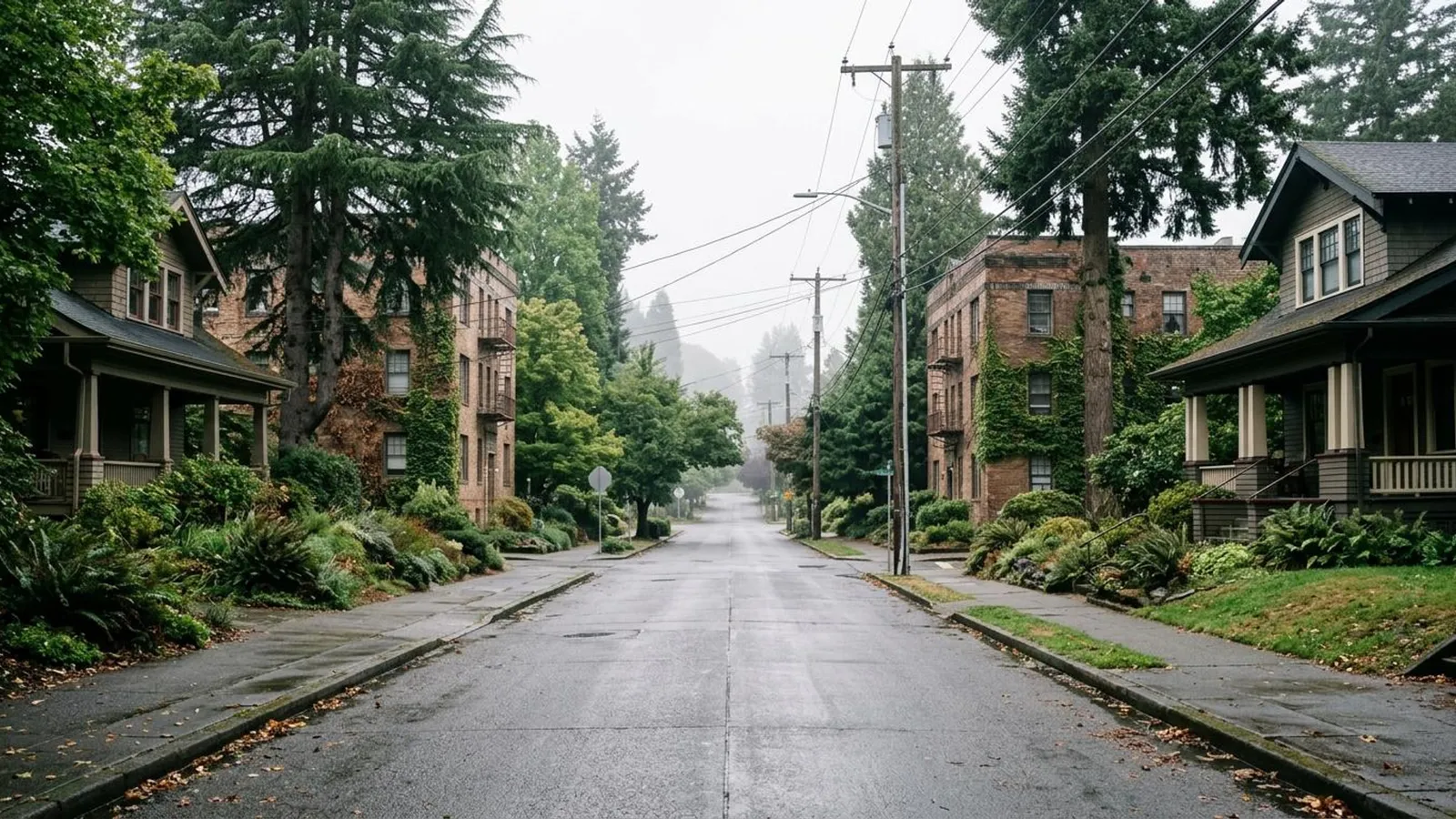
Seattle could suit a longer stay without keeping a rental car outside every day. That depends on a particular address, the ordinary journeys you enjoy and what you mean by seeing the region.
A city-based month with occasional separate outings is one kind of trip. A month built around driving to trailheads and changing scenery every day is another. Start by choosing between those ideas rather than renting a car for the entire period because Washington looks large on a map.
This researched profile uses official transit and weather resources checked November 15, 2026. It is not a firsthand neighborhood review, an accommodation recommendation or a promise that any route will suit an individual’s access needs.
Pick a city week before choosing an address
Write a plausible week: grocery shopping, laundry, reading, one regular activity and a couple of outings. Which journeys would repeat, and which would happen only once?
Consider two invented possibilities. One traveler wants a base around downtown and Westlake, with most days centered on city interests. Another is considering the Capitol Hill area and wants to investigate the routes from there. Neither traveler has selected a property or obtained a quote. The purpose is to compare real starting points before searching for a bargain.
Sound Transit’s 1 Line information includes Westlake, Capitol Hill and University of Washington stations in the normal network. That makes them useful reference points, not interchangeable neighborhoods or guarantees of an uninterrupted train every day.
Plot your full address and ordinary destinations. An accommodation label such as “near light rail” means little until you know the actual entrance and the walk between it and the station.
Keep the normal network separate from today’s service
A route map shows the system’s structure. It cannot tell you whether a particular journey is operating normally now.
On November 16, 2026, Sound Transit reported that regular 1 Line service had resumed after the power disruption between Rainier Beach and SeaTac/Airport (official service alerts, checked November 16, 2026). Check the alert page and journey planner again for your travel day; a normal route map is not a live service guarantee.
The same alerts page warns that unexpected or last-minute changes may not appear there immediately. Look at current provider information when making the actual journey and allow a practical fallback, particularly on arrival with bags.
For a month-long stay, the lesson is broader than one outage. Choose an address that works for your ordinary life, while keeping enough flexibility for a changed journey. Car-free should not mean having no alternative when your preferred service changes.
Inspect the final walk carefully
A short straight-line distance can hide the part of the journey that matters most. Trace the streets, crossings and entrance from the station or stop to the property. Check the route in both directions and consider groceries, rainwear and luggage.
Capitol Hill Station’s provider page locates connections around Broadway and Denny, with nearby bus information. Use the actual stops to investigate a specific address rather than assuming a district name settles the route.
If step-free access is important, verify the relevant entrance, elevator status and onward walk with the providers. This profile makes no access or safety guarantee for the neighborhood, street or accommodation. Ask precise questions instead of trying to infer the answer from a station symbol.
Choose the month as carefully as the neighborhood
A Seattle plan should have dates attached before you compare its daily rhythm with somewhere else. Research expected conditions and daylight for that period, then leave room for the actual forecast.
The National Weather Service’s Seattle climate resources provide access to historical weather information. Use historical observations for context and the current forecast for the coming days. This guide quotes no monthly averages or forecast totals.
Think about a routine that needs daylight: a long walk after breakfast is a different plan from an outing after a late lunch. Check sunrise and sunset for the actual dates, rather than importing the evening schedule of a summer holiday into a winter stay. This profile does not give calculated daylight times.
Then consider the indoor day. Would the selected unit have comfortable seating, light, heating and a practical place for wet coats and laundry? Obtain property-specific answers. No attractive photograph of the skyline can settle those questions.
Separate city life from regional outings
List the trips that make you think you need a car. Are they repeated errands, or two special outings during the month? Research those outings separately, including the full return journey and the actual arrangements you would use.
If a particular mountain, island or distant town is essential, confirm how you would reach it before calling the whole plan car-free. This article verifies no park shuttle, trailhead access or ferry itinerary. Those would need their own current operator research.
Keeping a car for fewer days may be worth comparing, but it is not automatically cheaper. Obtain the complete rental quote, consider collection and return logistics and check the accommodation’s parking conditions if relevant. A daily-rental price alone cannot decide the month.
Budget for flexibility without renting by habit
In an illustrative weekly plan, a traveler makes two shopping journeys, three local outings and one trip that needs a different transport choice. Count the actual people and journeys when estimating costs. Do not multiply an assumed single fare and present the result as a Seattle monthly budget.
Compare a version using transit and occasional alternatives with one that includes the car you would genuinely use. Add accommodation, travel to Seattle, food, laundry and retained costs at home. The month-away budget can hold those assumptions; replace every placeholder with a dated quote or your own spending evidence.
A longer stay should make ordinary days easier, rather than turning transport into a daily performance. If the accommodation requires an awkward journey for every small errand, change the location before removing all flexibility from the budget.
Try the repeatable week
You do not need to decide that Seattle is a permanent answer. A shorter trial can establish whether you enjoy the chosen streets, indoor time and movement between the places that matter to you.
Use the car-free month guide to test the practical routes, the accommodation guide for the unit and the stay review to record what to change next time.
The Seattle overview on Bucketlist Experiences can help develop the occasional outings. Keep those separate from the ordinary week that makes a longer stay work.
For the first day, see Airline Ace’s Seattle arrival guide. For a separate outing, compare renting a car only when it has a specific job.
Official sources linked above were checked November 15, 2026. Service status was refreshed November 16, 2026; no firsthand note has yet been added.