Amsterdam for a longer stay: choose a daily pattern beyond the center
Compare Amsterdam neighborhoods against the everyday routes and accommodation needs that would make a longer stay enjoyable.

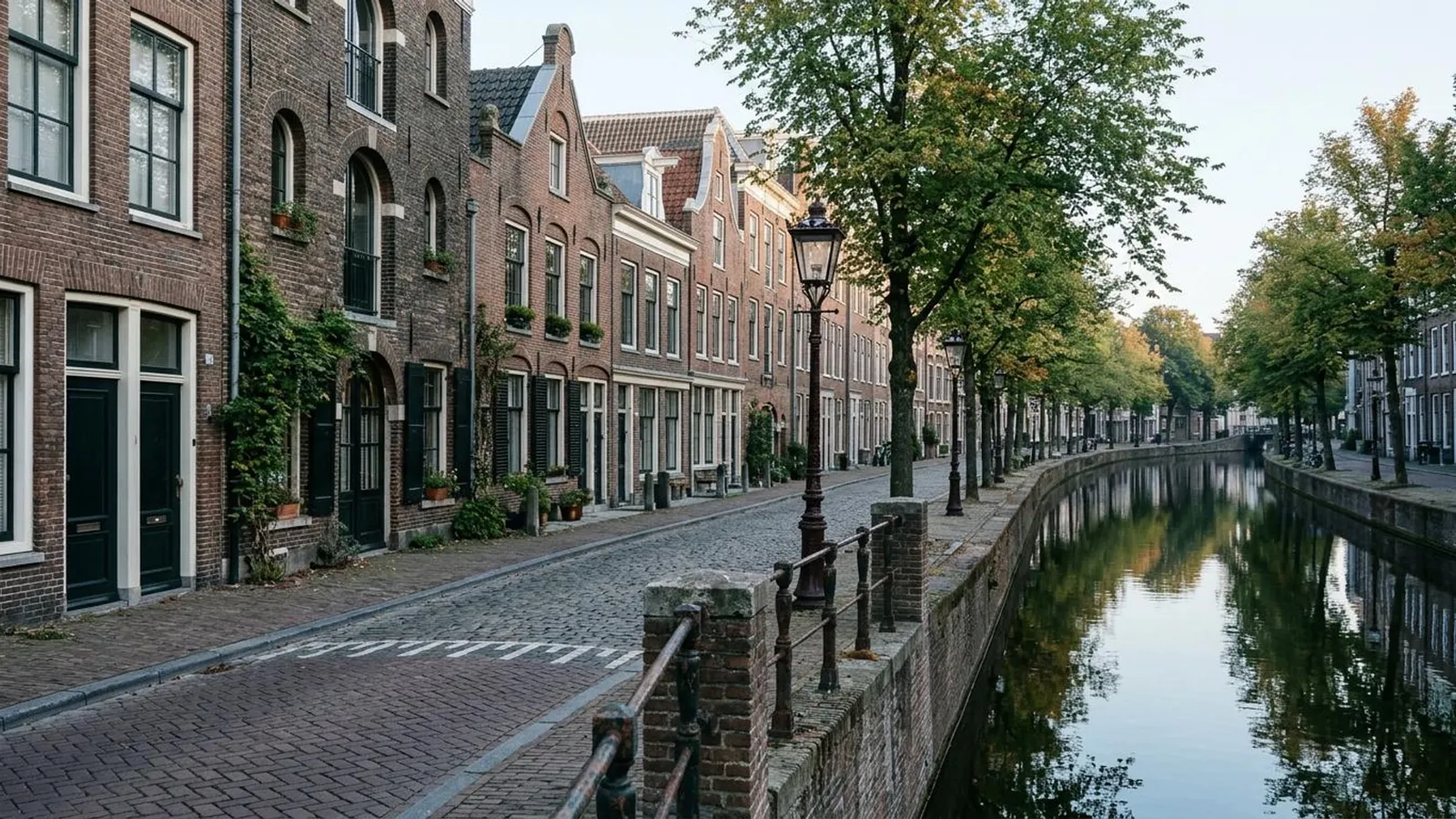
A canal-side photograph can make an Amsterdam month feel decided before you have considered a normal Tuesday. What would you do between breakfast and dinner? Would the room work on a day indoors? Could you reach the places you want without making cycling an obligation?
Look for a repeatable daily pattern before committing to a particular address. Amsterdam may suit a longer stay when the accommodation, ordinary routes and pace fit the life you want to try. This is researched planning guidance, not a firsthand neighborhood review, a rental endorsement or permission to reside in the Netherlands. Official visitor information was checked November 16, 2026.
Start with a week you would enjoy repeating
A month away still has shopping, laundry, quiet afternoons and days when the weather or your energy changes the plan. Write those into the picture at the beginning.
Imagine an invented traveler who wants to read, explore a museum slowly and meet a friend once a week. The accommodation search needs to support those activities. It does not need to put every landmark within a single short walk.
I amsterdam’s official neighborhood directory, checked November 16, 2026, covers areas beyond the historic center, including Oost, Noord, De Pijp and Westerpark. That gives you several geographic starting points for investigation. It does not establish that a particular street will be quiet, that a room is available or that an area suits every traveler.
Use De Pijp to test a real idea, not to pick a winner
The visitor authority’s De Pijp guide, checked November 16, 2026, identifies the Albert Cuyp market and Sarphatipark as neighborhood reference points. Those are concrete places to put on a map if shopping and time outdoors are part of your imagined week.
The next questions concern the actual address: how would you reach a food shop, return with bags or choose a quieter room? Check current market arrangements before planning repeated shopping around them. A neighborhood overview does not confirm the conditions on a specific day.
Use the same method for another area rather than assuming the first attractive guide has found your base. Two properties in the same named neighborhood can support different routines because their entrances, layouts and immediate surroundings differ.
Cycling is an option to assess, not an admission requirement
If you enjoy riding and are comfortable with the conditions you encounter, cycling might belong in the stay. If not, build the plan around other routes before booking. There is no reason for a longer-stay trial to depend on taking up a transport mode you do not want to use.
The official public transport overview, checked November 16, 2026, describes trains, trams, metro, buses and ferries. It directs readers to journey-planning and operator information. Use those resources to investigate the actual address and intended destinations, not to infer that every part of Amsterdam has the same service.
For the invented traveler, the useful comparison is a food-shopping journey, the regular meeting point and the return from the museum. Trace them for the times the journeys would happen. A citywide transport map is a starting point; it is not a promise about the final walk, service that day or a station’s access arrangements.

Keep access needs separate from the city image
Canal views and historic buildings do not tell you what happens between pavement and room. Ask about the entrance, internal steps, the floor and any lift you need to rely on. Request information for the specific accommodation rather than for a room category that might be assigned later.
For transport, confirm the relevant stop, vehicle and any current access disruption with the operator. This profile does not independently verify those conditions. Keep an alternative route if one particular connection is essential to your plan.
The access-needs guide provides a fuller method. The important point is to make the stay work with your requirements now, rather than expecting an attractive destination to compensate for an unsuitable room.
Plan the days that are not sightseeing days
Write down what the accommodation needs to make ordinary days pleasant: somewhere to sit, enough light, the equipment for meals you intend to prepare and the laundry arrangement. A short stay may tolerate a compromise that becomes tiresome across several weeks.
Ask which facilities belong to the room you would book and which are shared, external or chargeable. Keep the answer beside the quote. An accommodation description is useful when it resolves a practical question, not simply when it repeats “home away from home.”
Use the everyday-meals guide and the routine guide to choose a small pattern you want to maintain. It can include meals out and unplanned days. Slow travel does not require an imitation of someone else’s ordinary life.
Compare the complete stay, and leave an exit
Collect quotes for your actual dates, party and requirements. Add the transport and ordinary spending you are planning, along with costs that continue at home. Record the original currency and the conversion assumption separately.
No monthly rental benchmark is supplied here. Compare available, suitable accommodation rather than assuming that a city has one meaningful monthly price. Read the payment and cancellation conditions, including what happens if you want to leave early.
Check permission to enter and stay, the accommodation’s suitability for the booking and healthcare arrangements separately. A payable room is not evidence that all those questions are resolved. The early-return guide helps keep an exit plan practical rather than merely reassuring.
Leave space for a few things worth doing
Use Bucketlist’s Amsterdam overview to select experiences that genuinely interest you. A longer stay can leave room to revisit one subject or part of the city instead of collecting more stops.
You can put one or two of those plans in the sample week without filling every day. If the ordinary week already feels demanding on paper, add less before assuming that more time will automatically make it restful.
Common questions
Do I need a bicycle for a longer stay? Build the plan around transport you are willing and able to use. Assess the actual routes before making cycling essential.
Is being outside the center a guarantee of a quieter stay? No. Confirm the accommodation’s immediate surroundings and room position; an area name does not verify noise conditions.
How do I choose between neighborhoods? Put one real address in each candidate area against the same ordinary week, accommodation needs and complete budget.
Sources checked November 16, 2026: I amsterdam’s neighborhood directory, De Pijp guide and public transport overview linked above. This profile does not verify individual properties, current routes, access conditions, prices or legal-stay eligibility.